General Health Tips & News
Acid Reflux Disease: GERD
By A.S. (staff writer) , published on July 16, 2022
Medicine Telehealth Health GERD Heart Burn Acid Refluc


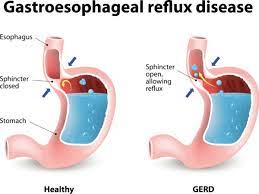
Acid reflux, also known as gastroesophageal reflux (GER), is the backward flow of stomach acid into the tube that connects your throat to your stomach (esophagus). You may get a burning sensation in your chest during an episode of acid reflux (heartburn). This can happen after eating a large meal or consuming coffee or alcohol.
Sometimes acid reflux progresses to GERD, a more severe form of reflux. The most common symptom of GERD is frequent heartburn – two or more times per week. Other signs and symptoms include regurgitation of food or sour liquid, trouble swallowing, wheezing, and chest pain, particularly while lying down at night.
Common Causes
Acid reflux occurs when a valve at the end of your oesophagus, known as the lower esophageal your oesophagus into your throat and mouth, leaving you with a sour taste.
These are other common risk factors for acid reflux disease:
-
Eating large meals or lying down right after a meal
-
Being overweight or obese
-
Eating certain foods, such as citrus, tomato, chocolate, mint, garlic, onions, or spicy or fatty foods
-
Drinking certain beverages, such as alcohol, carbonated drinks, coffee, or tea
-
Taking aspirin, ibuprofen, certain muscle relaxers, or blood pressure medications
Almost everyone experiences acid reflux at some point in their lives. It is completely natural to experience acid reflux and heartburn on occasion. However, if you suffer acid reflux/heartburn more than twice a week for several weeks, use heartburn meds and antacids on a regular basis, and your symptoms persist, you may have GERD.
Symptoms
Common signs and symptoms of GERD include:
-
A burning sensation in your chest (heartburn), usually after eating, which might be worse at night
-
Chest pain
-
Difficulty swallowing
-
Regurgitation of food or sour liquid
-
Sensation of a lump in your throat
Diagnosis
Gastroenterologists may perform following investigations:
-
Camera imaging in endoscopy
-
biopsy: the collection of a tissue sample for laboratory analysis
-
X-ray of the oesophagus, stomach, and upper duodenum after consuming a gritty drink that aids in image contrast
-
esophageal manometry is the measuring of esophageal pressure.
-
pH impedance monitoring for 24 hours: detecting the level of acidity in the oesophagus
Can Acid Reflux be treated without medication?
One of the most effective ways to treat acid reflux disease is to avoid the foods and beverages that trigger symptoms. Here are other steps you can take:
-
Eat smaller meals more regularly throughout the day and vary your food choices.
-
Stop smoking.
-
Sleeping on an incline
-
Eat at least two to three hours before going to bed.
-
If you are overweight or obese, begin losing weight through exercise and dietary adjustments.
Treatment options available
-
Antacids can help to neutralize gastric acid. However, if used excessively, they can cause diarrhoea or constipation. Antacids that include both magnesium hydroxide and aluminium hydroxide are preferable. They may assist to mitigate these gastrointestinal adverse effects when combined. If antacids do not work, your doctor may recommend alternative drugs. Some require a prescription, such as:
-
To prevent reflux, foaming agents (Gaviscon) coat your stomach.
-
Acid production is reduced by H2 blockers (Pepcid)
-
Proton pump inhibitors (Nexium, Protonix) lower the quantity of acid produced by your stomach.
-
Prokinetics (Reglan, Urecholine) can help strengthen the LES, speed up the emptying of your stomach, and minimize acid reflux.
References
-
Acid reflux (GER & GERD) in adults. (n.d.).
niddk.nih.gov/health-information/digestive-diseases/acid-reflux-ger-gerd-adults -
Anh NH, et al. (2020). Ginger on human health: A comprehensive systematic review of 109 randomized controlled trials.
ncbi.nlm.nih.gov/pmc/articles/PMC7019938/ -
Antunes C, et al. (2021). Gastroesophageal reflux disease.
ncbi.nlm.nih.gov/books/NBK441938/ -
Ates F, et al. (2014). Insight into the relationship between gastroesophageal reflux disease and asthma.
ncbi.nlm.nih.gov/pmc/articles/PMC5395714/
Find articles related to: Medicine Telehealth Health GERD Heart Burn Acid Refluc
More articles about General Health Tips & News
Back to the Health Tips Index