Skin & Esthetics
Dermatitis
By A.A. (staff writer) , published on July 26, 2020
Medicine Telehealth Health dermatitis contact dermatitis allergic dermatitis skin diseases


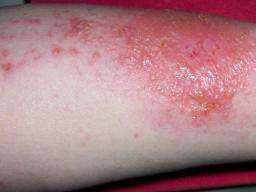
Dermatitis is a common skin condition also known as skin irritation. It occurs in many forms and has different causes. It is characterized by red, dry, itchy, and swollen skin. It may cause the hardening of the skin crust and the formation of blisters. The typical examples are dandruff, eczema, and contact dermatitis1.
Dermatitis may lead to various epidermal changes such as inflammation and itching. There are various causes of dermatitis and affect one in every five people. You often see the terms eczema and dermatitis interchangeably used. Eczematous dermatitis is also commonly used. Dermatitis can be acute or chronic.
Acute dermatitis: Describe as an increasingly developing red rash that can be blistered and swollen.
Chronic eczema: It affects a large area of the skin and it often looks scratched, thickened, and darker in colour2.
Symptoms of dermatitis
Contact dermatitis typically happens in parts of the body that have been specifically subjected to the reaction-causing material for example, around a veal that has been rubbed against poison ivy or under a watch band. Typically, the rash grows in minutes to hours of contact which will continue for two to four weeks.
The following are the symptoms of contact dermatitis
- Red rash
- Severe itching
- Cracked, scaly and dry skin
- Blisters and bumps
- Tenderness, swelling, and burning3
Causes of dermatitis
There are various causes of dermatitis and they may range from mild to severe. The rashes can cause the following conditions.
- Itching
- Ulcers
- Marking
- Crusting
- Redness
- Thickening
- Creasing
- Blisters
- Swelling
- Discoloration
- Scaling4
Types of dermatitis
There are different types of dermatitis, most common types are the following
Atopic dermatitis:
It is commonly called eczema. It usually runs in the family and can be inherited. It is characterized by itching and rough patches of dry skin. It is more prevalent in children.
Contact dermatitis:
An allergic reaction of the skin due to physical contact is called contact dermatitis. The reactions may aggravate and cause blisters, burning rashes, and itching.
The skin of some people reacts unusually with certain substances including rubber, preservatives, hair dye, and nickel.
Dyshidrotic dermatitis:
It is a common condition of hands and feet. Skin is unable to protect itself. This condition is indicated by dryness, itching, and small blisters.
Seborrheic dermatitis:
This type usually occurs on the chest, face, and scalp. It is called a cradle cap for babies. The induction of seborrheic dermatitis is dandruff, scaly patches, and red skin. It occurs due to toxic substances produced by Malassezia yeasts that live on the face, scalp, and other body parts5.
Irritant contact dermatitis:
It is exaggerated by friction, solvents, body fluids, and detergents. If you have atopic dermatitis, then these irritants cause more trouble.
Dry skin:
It is also called eczema craquelure it occurs mostly on lower legs and causes asteatotic dermatitis.
Nummular dermatitis:
It might have happened due to skin injury and looked like coin-shaped scattered irritable patches. It is also known as discoid eczema.
Otitis externa:
The dermatitis of the external ear canal is called otitis externa6.
Risk factors of dermatitis
The following are the risk factors of dermatitis:
Age:
There is no age defined for dermatitis, however, eczema (atopic dermatitis) usually happens in childhood.
Allergies and asthma:
The prevalence of atopic dermatitis is higher in people having a family history of hay fever, allergies and eczema.
Occupation:
Occupation has a direct link with dermatitis. Certain jobs put you at a high risk of getting dermatitis such as solvents and certain metals. The ratio of hand eczema is higher in healthcare workers.
Health conditions:
Certain health conditions increase your chances of getting seborrheic dermatitis including HIV/AIDS, heart failure, and Parkinson’s disease7.
Treatment strategies of dermatitis
Identifying and then managing the contributing factors of disease play an essential part in the treatment of dermatitis.
Bathing:
Consult your dermatologist and chemist and use soap-free cleanser or mild detergent instead of standard soaps.
Clothing:
Wear cool smooth and soft clothes. Micro Merino wool is best for use. You should avoid synthetic wool or coarse fibers.
Irritants:
Avoid contact with irritants like detergents, dust, chemicals, water, and injuries.
Antihistamines:
They are mostly prescribed by the doctor to be taken at night time and they reduce the irritation.
Emollients:
Use emollient when you feel itching or after taking a bath. You must consult a dermatologist before using any skin product. Do not use perfumes if you have dermatitis.
Pimecrolimus cream:
It has anti-inflammatory activity and can be very useful for topic dermatitis and has fewer side effects than topical steroids.
Antibiotics:
In case of severe and complicated infections, your doctor may prescribe antibiotics like erythromycin or flucloxacillin. Staphylococcus aureus and Streptococcus pyogenes are the causative agents in most of the cases.
Other treatments:
Some medicines are rarely used or only used in severe cases including azathioprine, systemic steroids, mycophenolate, methotrexate, phototherapy, and ciclosporin8.
Prevention from dermatitis
If you are doing certain work that contains irritant substances of chemicals, then you must wear protective clothing.
Adapt the following habits to avoid dry skin.
Take shorter showers and baths:
Take baths for not more than 5 minutes and do not use hot water. Try warm water and bath oil can be useful.
Use of nonsoap cleansers and quick-drying:
Only use those soaps that can dry your skin and it is better to use nonsoap cleansers. Use a soft towel to dry your skin.
Moisturize your skin:
You can reduce the occurrence of dermatitis by applying moisturizer on your skin. Choose the best moisturize that is affordable, unscented, safe, and effective for you9.
Triggers of dermatitis
They facilitate the reaction of your skin from different substances. It could be anything. The common triggers that cause dermatitis include:
- Stress
- Irritating substances
- Hormonal imbalance or hormonal changes
- The environment10
References
- Dermatitis. [internet]. 2019 July 11 [cited 2020 July 18]; Available from https://www.mayoclinic.org/diseases-conditions/dermatitis-eczema/symptoms-causes/syc-20352380
- Dermatitis. [internet]. [cited 2020 July 18]; Available from https://dermnetnz.org/topics/dermatitis/
- Dermatitis. [internet]. 2015 May 25 [cited 2020 July 18]; Available from https://my.clevelandclinic.org/health/articles/4089-dermatitis
- Dermatitis. [internet]. [cited 2020 July 18]; Available from https://dermnetnz.org/topics/dermatitis/
- Dermatitis. [internet]. 2019 July 11 [cited 2020 July 18]; Available from https://www.mayoclinic.org/diseases-conditions/dermatitis-eczema/symptoms-causes/syc-20352380
- Dermatitis. [internet]. [cited 2020 July 18]; Available from https://dermnetnz.org/topics/dermatitis/
- Dermatitis. [internet]. 2019 July 11 [cited 2020 July 18]; Available from https://www.mayoclinic.org/diseases-conditions/dermatitis-eczema/symptoms-causes/syc-20352380
- What is dermatitis? [internet]. 2019 August 2 [cited 2020 July 18]; Available from https://www.healthline.com/health/dermatitis
- Dermatitis. [internet]. 2019 July 11 [cited 2020 July 18]; Available from https://www.mayoclinic.org/diseases-conditions/dermatitis-eczema/symptoms-causes/syc-20352380
- What is dermatitis? [internet]. 2019 August 2 [cited 2020 July 18]; Available from https://www.healthline.com/health/dermatitis
Find articles related to: Medicine Telehealth Health dermatitis contact dermatitis allergic dermatitis skin diseases
More articles about Skin & Esthetics
Back to the Health Tips Index