General Health Tips & News
DIABETIC NEUROPATHY
By A.A. (staff writer) , published on December 25, 2020
Medicine Telehealth Health neuropathy diabetes diabetic neuropathy


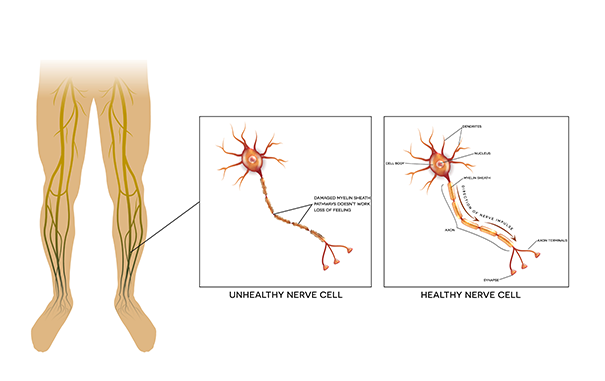
Diabetic neuropathy is a common and serious complication of diabetes (both type 1 and type 2). High blood sugar levels for a long time leads to nerve damage. Diabetic neuropathy develops slowly over several decades.
You can consult your doctor if you have diabetes and experience numbness, tingling, pain, or weakness in your hands or feet. These are early signs of peripheral neuropathy. Typically, the risk is when you can't feel pain and an ulcer develops on the foot.
The chances of infections and injuries are higher if you have severe or prolonged peripheral neuropathy. Serious cases of peripheral neuropathy often lead to poor wound healing, infections which can also lead to amputation.
Diabetic neuropathy has different types that affect different areas of the body and cause a variety of symptoms. Regular monitoring of blood sugar levels is important if you are diabetic. If you experience any symptoms, then you should contact your doctor1.
Types of Diabetic Neuropathy
In peripheral neuropathy, the nerves of your feet, legs, hands, and arms get damaged. Peripheral neuropathy is very common. Peripheral neuropathy affects between one-third to one-half of people with diabetes.
Nerves that regulate your internal organs are weakened or affected by autonomic neuropathy, leading to issues with your heart rate and blood pressure, digestive system, bladder, sex organs, sweat, and eyes. The damage may also contribute to hypoglycemia unawareness.
Single nerves are damaged due to focal neuropathies. It mostly affects the leg, torso, hand, and head. Carpal tunnel syndrome and entrapment syndrome are the two most common types of focal neuropathies. Other kinds of focal neuropathy are not common.
Proximal neuropathy in your shoulder, buttock, or thigh is an uncommon and debilitating form of nerve damage. Normally, the damage affects one side of the body and can occasionally spread to the other side. Signs and symptoms slowly improve with passing months and years2.
Symptoms of diabetic neuropathy
The symptoms of neuropathy appear slowly. In most cases, the nerves of the feet are damaged initially. It feels like painful needles and pins in your feet.
Symptoms of diabetic neuropathy depend on the affected area. The following are the common symptoms of diabetic neuropathy.
- Touch sensitivity
- Loss of sense of touch
- Lack of coordination when walking
- Pain and numbness in your feet and hands
- Feet burning sensation especially at night
- Muscle weakness
- Bloating
- Indigestion, nausea, and vomiting
- Constipation or diarrhea
- Drowsiness while standing
- Decreased or excessive sweating
- Bladder issues like incomplete bladder emptying
- Vaginal dryness
- Erectile dysfunction
- Vision trouble, such as double vision
- Eyesight problems like double vision
- Rapid heart rate3
How common is diabetic neuropathy?
Diabetic neuropathy is commonly seen in patients who are over 40 years, overweight, hypertensive, and have high cholesterol levels. The risk of diabetic neuropathy is higher in people who have had diabetes for a longer time. Diabetic neuropathy almost affects 50% of diabetic patients.
The initial symptoms of neuropathy include pain and numbness in the legs, arms, and feet. Moreover, they also affect different organs like the heart and sex organs.
Cause of neuropathy among diabetic people
However, excessive exposure to higher than average levels of glucose affects the nerves, inducing neuropathy. The precise effect of glucose on the nervous system is still not understood.
The nerve damage is often correlated with high levels of triglycerides, the main blood fat which is tested during a cholesterol analysis.
The following are the factors related to diabetic neuropathy.
- Hypertension
- Smoking
- Alcohol use and abuse
- Vitamin B deficiency
- Certain drugs like anti-cancer drugs are also linked with bringing on neuropathy4
Treatment
Over time, most cases of diabetic neuropathy will get worse.
For persons of either type, the first step is to put blood sugars within a doctor-agreed goal range to control elevated blood pressure and cholesterol levels.
The risk of diabetic neuropathy can be minimized by regulating glucose levels. A key aspect of recovery relies on pain relief and some of the complications are controlled.
Along with other therapies, some drugs and forms of physical therapy may help to manage the discomfort of diabetic neuropathy. They cannot fix the nerves.
Individuals should also prevent or stop smoking and restrict their consumption of alcohol to a maximum of one drink a day for females and two for males.
Medications
The pain of diabetic neuropathy can be managed by the following drugs.
- Tricyclic antidepressants: Tricyclic antidepressants may help to manage moderate nerve pain. Drugs used are amitriptyline, desipramine, and imipramine. Moreover, SNRIs, serotonin, and norepinephrine reuptake inhibitors and also used due to their fewer side effects, commonly used drugs include duloxetine.
- Anticonvulsant drugs: gabapentin and pregabalin are commonly used for nerve pain along with their use in epilepsy
- Opioids and nonopioid pain relief medication
Dependence can be caused by opioids that’s why physicians can prescribe as low a dose as necessary. To target other painful symptoms of diabetic neuropathy, a person with diabetic neuropathy might use other forms of antidepressants, such as serotonin-norepinephrine inhibitors.
Topical preparations including creams, lotions, and supplements such as ALA or topical capsaicin also provide relief.
Physical therapy
Used in combination with drugs, physical therapy may help ease pain and reduce the risk of opioid dependence.
It may also help alleviate:
- It may also treat
- Sexual dysfunction
- Muscle cramps
- Muscle weakness
- Tingling and burning in the feet and legs5
References
- Everything You Should Know About Diabetic Neuropathy. [internet]. [cited 2020 November 4]; Available from https://www.healthline.com/health/type-2-diabetes/diabetic-neuropathy
- Diabetic Neuropathy. [internet]. [cited 2020 November 4]; Available from https://www.niddk.nih.gov/health-information/diabetes/overview/preventing-problems/nerve-damage-diabetic-neuropathies
- Everything You Should Know About Diabetic Neuropathy. [internet]. [cited 2020 November 4]; Available from https://www.healthline.com/health/type-2-diabetes/diabetic-neuropathy#symptoms
- Neuropathy. [internet]. [cited 2020 November 4]; Available from https://www.diabetes.co.uk/diabetes-complications/diabetes-neuropathy.html
- What to know about diabetic neuropathy. [internet]. [cited 2020 November 4]; Available from https://www.medicalnewstoday.com/articles/245310#treatment
Find articles related to: Medicine Telehealth Health neuropathy diabetes diabetic neuropathy
More articles about General Health Tips & News
Back to the Health Tips Index