General Health Tips & News
Functions of The Musculoskeletal System
By M.M. (staff writer) , published on April 08, 2021
Medicine Telehealth Health Musculoskeletal System


Functions of The Musculoskeletal System
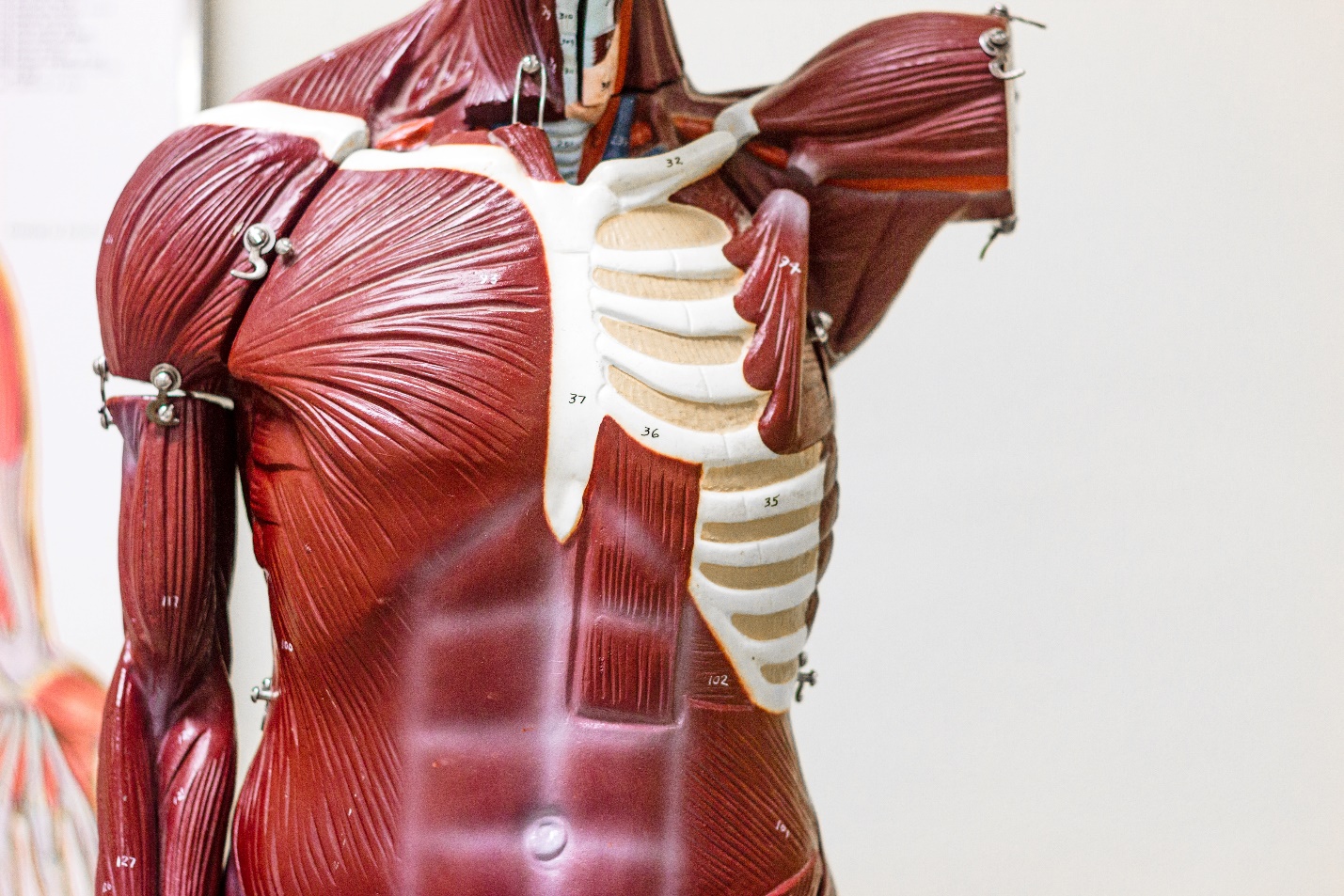
Have you ever wondered how you are able to move your muscles? How about how you can do tough exercises that involve jumping and minor movements such as pushing an elevator button? All this is made possible by the musculoskeletal system. Also known as the locomotor system, this is an organ system that gives your body the ability to move the skeletal and muscular system. The musculoskeletal system provides support, form, stability and movement of the body. In our previous article, we discussed more the musculoskeletal system and how it works. In this article, we strive to understand some of the functions of the musculoskeletal system.
- Movement / Mobility
The main function of the musculoskeletal system is to aid in movement. When the muscles contract, they contribute to the fine, gross movement.
Fine movement involves small movements such as pushing an elevator button, speaking, writing, facial expression and more. Gross movement on the other hand refers to the large and coordinated movements that include walking, jumping, swimming, running and much more.
- Stability
Tendons which are a great part of the musculoskeletal system provide stability. The tendons stretch over the joints and the shoulders contributing to joint stability. Muscle tendons in the shoulder joint and the knee joint contribute to joint stability.
- Posture
The body stays in the correct position through the help pf the skeletal muscles either when sitting or standing which is known as posture. Good posture depends on strong and flexible muscles. Bad posture happens as a result of stiff and weak or tight muscles.
- Circulation
The heart is the strongest muscle in the body and it never relaxes. The hearts movement is out of conscious control as it contracts automatically through stimulation by electrical signals.
- Respiration
The use of diaphragm muscle aids in breathing. The diaphragm is located below the lungs and it contracts and relaxes filling the lungs with air and pushing the air out consecutively.
- Digestion
The smooth muscles in the gastrointestinal tract help control digestion. When you eat, the food moves through the digestive system with the help of the muscles in the walls of the gastrointestinal tract.
- Temperature regulation
Maintaining regular body temperature is a vital function of the muscular system. A significant portion of the heat generated in the body comes from the contracting and relaxing muscles.
- Organ protection
The muscles in your torso help protect the internal organs at the side, front, and back of the body. The bones of the ribs and spine also provide more protection.
Sources
1. https://www.nmortho.com/what-are-the-main-functions-of-the-muscular-system/
2. https://en.wikipedia.org/wiki/Human_musculoskeletal_system
3. https://courses.lumenlearning.com/suny-ap1/chapter/the-functions-of-the-skeletal-system/
Find articles related to: Medicine Telehealth Health Musculoskeletal System
More articles about General Health Tips & News
Back to the Health Tips Index