Heart & Cardiovascular
Life after the Heart Attack - Should I be worried?
By D.A. (staff writer) , published on July 12, 2020
Medicine Telehealth MI Heart attack cholesterol LDL chest pain


The heart is one of the vital organs in our body, injury to it can cost one their life. However, the ones who recover from any heart disease, have a lot of doubts about their future and the way they should live in order to prevent another such episode. It is extremely unfortunate for anyone who undergoes an episode of a heart attack. With the rising chest pain and the emergency hospital admission, it undoubtedly changes everything for that person.
A long stay in the hospital after being out of danger brings a lot of perspective to that individual. It is inevitable to have feelings of fear, anxiety, and depression during this period but it is important to think positively at this time and think about the kind of changes that needs to be implemented in order to live a healthier, longer life- especially after such a life-changing event.
What causes a heart attack in the first place?
Heart attack, cardiac arrest, stroke, and myocardial infarction are often interchanged with each other, with many believing it to be the same thing. However, a cardiac arrest is different from an MI (myocardial infarction)/ Heart attack and stroke. The reason why it's important to understand the difference between them is because of the different management protocols for all of them.
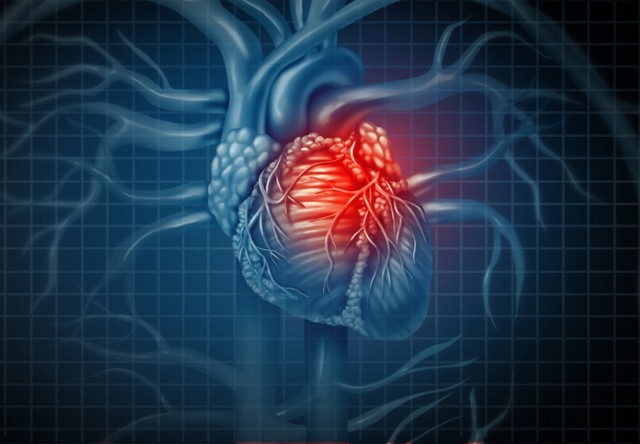
A cardiac arrest happens when the heart stops working, which leads to unconsciousness. This is often due to the malfunctioning of the heart. A heart attack/ myocardial infarction(MI) is when the heart tissue undergoes an area of damage due to less amount of blood reaching the organ. This is often due to problems in the arteries that supply blood, narrowing of these vessels are usually what causes a heart attack or an MI.
A stroke is a little different from the two as it can happen anywhere in the body. It occurs due to a clot being dislodged in the blood vessels. This clot can block any artery and can cause damage to that organ.
However, after any kind of such incidence, it is important that preventing another one is prioritized. It is also really important to realize that having a heart attack in no way stops your life. Many people believe that their life has ended after suffering from a heart attack, but that is far from the truth.
What kind of care is needed to prevent another one?
Doctors recommend rest for up to two weeks to a few months depending on the severity of the damage caused to the heart. It is also encouraged that these individuals resume their jobs after consulting their healthcare provider, to make sure that the nature of their work does not worsen their condition in any way.
There are a number of instructions issued by the hospital before they discharge a patient who has undergone treatment for a heart attack. These instructions include;
-
Taking all the medicines at the right time- All the medicines that are prescribed by the physician should be taken at the right time with the right dose. These medicines are likely to prevent another episode of a heart attack.
-
Participate in the cardiac rehabilitation program- This is a program built especially for the ones who have suffered any cardiac problems. The support group helps every individual to get back to life and do all the mundane activities they did prior to their heart attack episode.
-
Manage your blood pressure- Most often people who suffer from a myocardial infarction have raised blood pressure. This leads to the hardening of the walls of the arteries and affects negatively on the health of the heart. A few diet changes can also help reduce high blood pressure, for instance by eliminating the use of excess salt.
-
Make sure your blood sugar is in control- If you suffer from diabetes, make sure you take your diabetic medications so that your blood sugar stays within range. Excess glucose in the blood can cause a lot of harm to the arteries and significantly affect heart health.
-
Manage your levels of cholesterol- Cholesterol clogs up blood vessels and raising blood pressure, therefore it is important to have cholesterol levels in their range.
-
Quit smoking- Smoking is one of the many reasons that harms the body in multiple ways. Apart from the damage it causes to the lungs, the nicotine raises blood pressure and narrows the lumen of the vessels.
-
Move around and stay physically active- It cannot be stressed enough that it is healthy for the body to stay active. One shouldn’t stay stagnant and only rest after such an episode, this will cause more harm than good. Light-intensity exercises are encouraged and advised by many physicians to improve heart health.
-
Lose your weight- Obesity is one of the reasons that can lead to a sudden heart attack. It has been studied that a 10% loss of weight helps decrease the risk of another MI.
-
Attend all follow-up appointments- It is very important to attend all the follow-up appointments to assess any abnormality in the heart, that can be caught on earlier before any symptoms appear.
Conclusion
There have been many advancements in the field of medicine which has produced improved outcomes especially of patients who have suffered a heart attack. With the amount of fear and anxiety that rolls around after such an incident, it is necessary for such individuals to seek professional help in order to counter their fears and live a long life that is ahead of them. However, make sure to visit your healthcare provider if you experience chest pain, sudden fatigue, dizziness, or swelling in your legs.

References
-
Anonymous. Life After a Heart Attack. Retrieved July 05, 2020, from https://www.heart.org/en/health-topics/heart-attack/life-after-a-heart-attack
-
Anonymous, Heart Attack Recovery FAQs. Retrieved July 05, 2020, from https://www.heart.org/en/health-topics/heart-attack/life-after-a-heart-attack/heart-attack-recovery-faqs
-
Doll, J. (2020, January 01). Quality of life after myocardial infarction: More PROgress needed. Retrieved July 05, 2020, from https://heart.bmj.com/content/106/1/8
-
Staff, F. (2019, July 22). Tips for Recovering and Staying Well After a Heart Attack. Retrieved July 05, 2020, from https://familydoctor.org/tips-for-recovering-and-staying-well/amp/
-
Beckerman, J. (2018, September 05). What to Do After a Heart Attack: Changes to Your Lifestyle. Retrieved July 05, 2020, from https://www.webmd.com/heart-disease/guide/what-to-do-after-a-heart-attack
Find articles related to: Medicine Telehealth MI Heart attack cholesterol LDL chest pain
More articles about Heart & Cardiovascular
Back to the Health Tips Index