General Health Tips & News
LIVER CIRRHOSIS
By A.A. (staff writer) , published on January 03, 2021
Medicine Telehealth Health liver cirrhosis liver cirrhosis


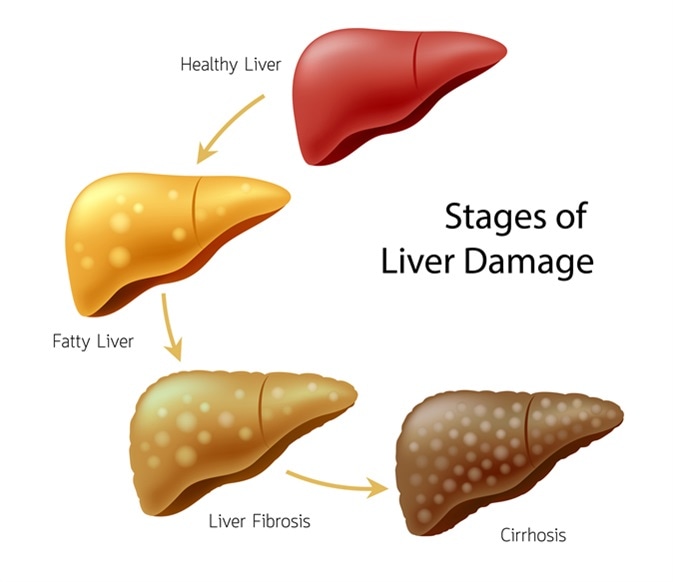
The late stage of liver fibrosis or scarring is called cirrhosis. It indicates different forms of liver disease like chronic alcoholism and hepatitis.
Most of the time the liver repairs itself from injury, disease, or alcohol consumption. Scar tissues are formed in this process. More scar tissues are formed with the progress of cirrhosis. This affects the functioning of the liver and this condition is also called decompensated cirrhosis. Advanced cirrhosis is a serious condition and dangerous for health.
The damage done to the liver by cirrhosis cannot be reversed. Early diagnosis of liver cirrhosis and treatment of specific causes may prevent further damage and the condition may reverse rarely.
Cirrhosis is a late-stage outcome of liver disease and its complications. At the starting phase of the infection, you do not experience any symptoms. Drug misuse, hepatitis, and nonalcoholic fatty liver disease are common triggers. The cause of cirrhosis and how much damage there is depending on the treatment procedure. When the liver is deteriorating, liver transplantation can be a suitable choice1.
Causes
The following are the primary causes of liver cirrhosis.
- Chronic alcoholism
- Chronic hepatitis caused by viral infections like (type B, C, and D)
- Metabolic disorders like glycogen storage disorder, alpha-1-antitrypsin deficiency, and galactosemia.
- Inherited disorders including hemochromatosis and Wilson disease
- Primary biliary cholangitis (PBC) and primary sclerosing cholangitis (PSC) causes biliary cirrhosis.
- Prolonged exposure to environmental toxins and side effects or severe reactions to prescribed medicines.
- Frequent episodes of heart failure with liver congestion2
Signs and symptoms of cirrhosis
The symptoms of liver cirrhosis vary from person to person. Some people experience a few symptoms on the other hand some people experience no symptoms. Some symptoms of liver disease are nonspecific that do not confirm the cause of the liver disease.
Initially, people may not experience any symptoms. However, with the passage of time, the condition of your liver may get worse. The following are the signs and symptoms of liver cirrhosis.
- Weakness
- Fatigue
- Loss of appetite
- Itching
- Nausea
- Pale or yellow skin due to accumulation of bilirubin in the blood, this condition is also called jaundice
- Easy bruising due to decreased production of blood clotting factors by the diseased liver3
- Blood vessels in your skin look like a spider web
- Whitening of your nails and redness in the palms of your hands
Some people may observe changes in the way of thinking, such as focus or memory issues. Women experience problems with their periods or menstrual cycle. You might lose your sex drive, start growing breasts, or see some shrinkage of your testicles if you are a male.
Some other symptoms of cirrhosis include
- Spleen enlargement
- Fever
- Brown color urine
- Vomiting blood
- Severe muscle cramps
- Bone diseases, that leads to breakage of bone
Keep in mind that you may not experience all these symptoms, and some illnesses are also indicators of some of this issues4.
Diagnosis of cirrhosis
If your doctor suspects cirrhosis, they will do a physical examination and check your medical history to look for symptoms of long-term liver disease.
- Liver biopsy
- Blood tests
- Radioisotope liver scan
- Scans like MRI, CT ultrasound, or transient elastography scan
If examination tests indicate you have cirrhosis, you can be advised by a GP to see a doctor (hepatologist) who specialized in liver disorders.
You could be referred to a specialist liver clinic if you have a high risk of complications from cirrhosis. The presence of liver disease requires immediate treatment5.
Cirrhosis complications
It provides a backup in other veins, such as those in the esophagus, if the blood does not flow through the liver. This backup is called the varicose esophagus. These veins are not designed to cope with elevated pressures, and from the excess blood supply, they tend to bulge.
The following are complications from cirrhosis.
- Hepatic encephalopathy
- Gallstones
- Bruising due to poor clotting
- Sensitivity to medicines
- Bleeding due to decreased clotting proteins
- Liver cancer
- Kidney failure
- Type 2 diabetes and insulin resistance
- Spleen enlargement
- Edema6
Treatment
Early diagnosis of cirrhosis minimizes further damage to the liver and helps to treat the underlying cause and prevent further complications.
Treatment for alcohol dependency
If their cirrhosis has been caused by long-term, daily heavy alcohol intake, it is necessary for the patient to avoid drinking. The physician will suggest a recovery regimen for the treatment of alcohol abuse in several cases.
Medications
Doctors may also prescribe medicines to prevent or control liver cell damage caused by hepatitis B or C. Moreover, in the case of infections, you will be given antibiotics to treat infections.
Hepatic encephalopathy, or high blood toxin levels
High levels of toxins in the blood are treated by medicines. The damage caused by cirrhosis, in some cases, affects much of the liver and cannot be reversed. The person may require a new, transplanted liver in these cases. Arranging an appropriate donor will take time, and this technique is only recommended only as a last option7.
References
- Cirrhosis. [internet]. [cited 2020 November 9]; Available from https://www.mayoclinic.org/diseases-conditions/cirrhosis/symptoms-causes/syc-20351487#:~:text=Cirrhosis%20is%20a%20late%20stage,it%20tries%20to%20repair%20itself.
- Cirrhosis. [internet]. [cited 2020 November 9]; Available from https://www.liver.ca/patients-caregivers/liver-diseases/cirrhosis/
- Cirrhosis. [internet]. [cited 2020 November 9]; Available from https://www.medicinenet.com/cirrhosis/article.htm
- Cirrhosis and your liver. [internet]. [cited 2020 November 9]; Available from https://www.webmd.com/digestive-disorders/understanding-cirrhosis-basic-information#1
- Cirrhosis. [internet]. [cited 2020 November 9]; Available from https://www.nhs.uk/conditions/cirrhosis/
- Cirrhosis. [internet]. [cited 2020 November 9]; Available from https://www.healthline.com/health/cirrhosis#complications
- Everything you need to know about cirrhosis. [internet]. [cited 2020 November 9]; Available from https://www.medicalnewstoday.com/articles/172295#treatment
Find articles related to: Medicine Telehealth Health liver cirrhosis liver cirrhosis
More articles about General Health Tips & News
Back to the Health Tips Index