General Health Tips & News
PILES
By A.A. (staff writer) , published on November 01, 2020
Medicine Telehealth Health piles hemorrhoids treatment of piles home remedies for piles


Piles are also called hemorrhoids. The collection of inflamed and swollen tissues in the anal canal is called hemorrhoids. They contain muscles, blood vessels, and support tissues. Symptoms of piles are different in different people. Before the age of 50 years, many people experience noticeable symptoms. Piles can be internal or external and may vary in size.
Internal piles are the most common type of piles. They develop inside the rectum. They are located 2 to 4 cm above the opening of the anus. Piles occur on the outside edge of the anus or under the skin around the anus are called external piles1.
From time to time, almost three out of four adults will have hemorrhoids. There are multiple causes of hemorrhoids, but the cause is unknown in most cases. There are many effective options available to treat hemorrhoids. Lifestyle changes and home treatments prove to be successful for many people.
Causes of piles
Piles are the swelling or bulging of veins around the anus that tend to stretch under pressure. The increased pressure in the lower rectum also develops hemorrhoids.
The following are the causes of piles
- Staining during bowel movements
- Chronic constipation and diarrhea
- Obesity and overweight
- Pregnancy
- Anal intercourse
- Low fiber diet
- Regular heavy lifting
- Smaller caliber stool and low-fiber diet cause a person to strain when having a bowel movement, increasing the pressure within the blood vessels.
- Pregnancy is linked with hemorrhoid swelling and is likely due to increased pressure of the enlarged uterus on the anus and rectum. The muscles of the body get weak that support the anus and rectum due to hormonal changes in pregnancy.
- Increase of pressure within the hemorrhoid blood vessels due to prolonged sitting on the toilet
- Chronic and acute diarrhea
- Colon cancer
- Previous rectal surgery
- Lack of erect posture and spinal cord injury
Risk factors of piles
The risk of hemorrhoids increases with the increase in age. This happens due to the weakening and stretching of tissues that support the veins in the rectum. It is also a common problem in pregnancy as the weight of a baby puts pressure on the anal region.
Complications of piles
Piles have rare complications but include
Anemia:
Blood loss due to piles may cause anemia. Anemia is a disease when there is a deficiency of red blood cells to carry oxygen.
Strangulated hemorrhoid:
Extreme pain, which happens when blood supply to an internal hemorrhoid is cut off is called strangulated hemorrhoid.
Blood clot:
Sometimes, the blood clots may form in hemorrhoids, also called thrombosed hemorrhoids. It is not a serious condition but can be extremely painful and my needs to be lanced and drained2.
Symptoms of piles
The following are the symptoms of piles.
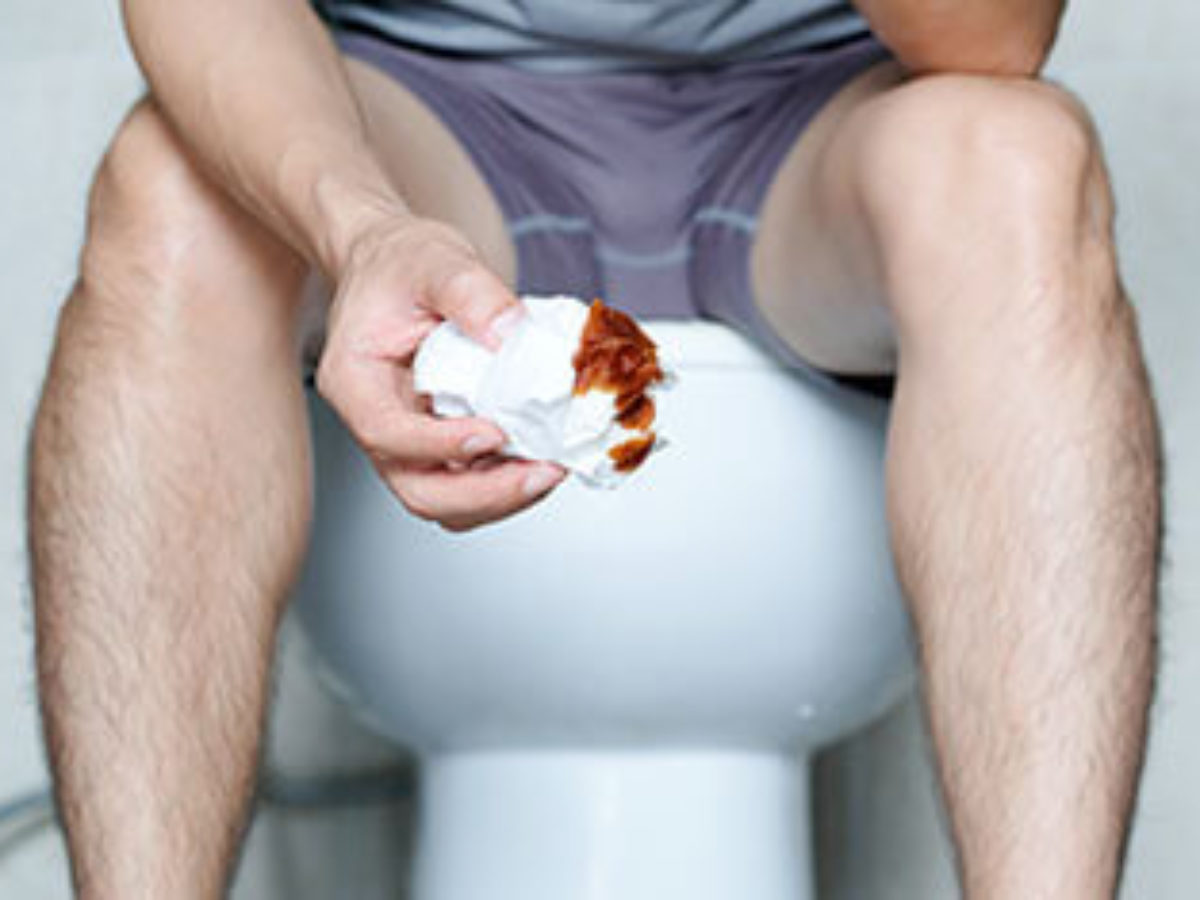
- Bleeding during a bowel movement, blood can be seen on the toilet paper
- A lump around or in your anus
- Discharge of slimy mucus from the anus
- Discomfort in your anus or feeling of fullness of bowels
- Sore or itchy skin around the anus
- Discomfort and pain after you go to the toilet
The symptoms of piles are different in different individuals. They are also associated with other problems like bowel cancer, anal fissure, and anal cancer. If you experience any of these symptoms, then you can contact your physician3.
Home remedies for Piles
Aloe vera
It reduces the inflammation and irritation of the skin. According to the National Center for Complementary and Integrated Health aloe vera is safe for topical use.
Cold compresses
Cold press application to the anus relieves swelling for 15 minutes at a time. It is an effective treatment for painful and large hemorrhoids.
Stool softeners
Different stool softeners are available in the form of capsules, liquids, and powders. Mostly fiber supplements like psyllium are used for this purpose to reduce constipation and make stool softer4.
Medications for piles
Individuals with piles are treated to manage their symptoms, there are different options available to treat piles.
Over-the-counter (OTC) medications:
To manage the pain, swelling, and redness, over-the-counter creams, ointments, pads, and painkillers are used to soothe the swelling and redness around the anus. Piles are not cured by OTC medications, but it can only relieve the symptoms. They can cause thinning of the skin and skin irritation, that’s why do not use them for more than 7 days. Paracetamol can be used in this condition. Avoid using opioid analgesics as they may cause constipation.
Corticosteroids:
They are used to manage pain and inflammation. They can be available over-the-counter or as prescription medicine. Long term use of corticosteroids damages the skin around your anus.
Laxatives:
If a patient of piles also suffers from constipation, then the doctor prescribes laxatives as well. Mostly mild laxatives like lactulose are commonly prescribed. It reduces the pressure on the lower colon and enables a person to pass stools easily. Many people use fiber supplements like ispaghula husk for this purpose.
Soothing creams:
Soothing pile suppositories, creams, and ointments are also available that reduce itchiness and pain. Many products are available over-the-counter. Local anesthetics are present in many products like lidocaine5.
References
- Everything you need to know about piles. [internet]. [cited 2020 September 17]; Available from https://www.medicalnewstoday.com/articles/239454#what-are-piles
- Hemorrhoids. [internet]. [cited 2020 September 17]; Available from https://www.mayoclinic.org/diseases-conditions/hemorrhoids/symptoms-causes/syc-20360268
- Piles (haemorrhoids). [internet]. [cited 2020 September 17]; Available from https://www.bupa.co.uk/health-information/digestive-gut-health/haemorrhoids
- 8 Home Remedies for Hemorrhoids. [internet]. [cited 2020 September 17]; Available from https://www.healthline.com/health/home-remedies-for-hemorrhoids#aloe-vera
- Everything you need to know about piles. [internet]. [cited 2020 September 17]; Available from https://www.medicalnewstoday.com/articles/239454#what-are-piles
Find articles related to: Medicine Telehealth Health piles hemorrhoids treatment of piles home remedies for piles
More articles about General Health Tips & News
Back to the Health Tips Index