Skin & Esthetics
SCABIES
By A.A. (staff writer) , published on August 08, 2020
Medicine Telehealth Health scabies skin diseases


What is scabies?
Scabies is a common skin infestation. Sarcoptes scabiei is the causative agent of scabies. If untreated, these tiny mites reside on the skin for months. They replicate on the surface of your body, then burrow in it and lay eggs. This causes a swollen, itchy rash to develop on the skin.
At a given time, there are approximately 130 million cases of scabies in the world. It’s not a sexually transmitted disease, but it can easily transfer from one person to another through direct skin contact. Intimate contact is not the only reason. The infestation of mites can also be spread through infested garments or bedding1.
Symptoms of Scabies
Skin reacts after about four to six weeks after the infestation for the first time.
The following are the symptoms of scabies
- Extreme itching at night
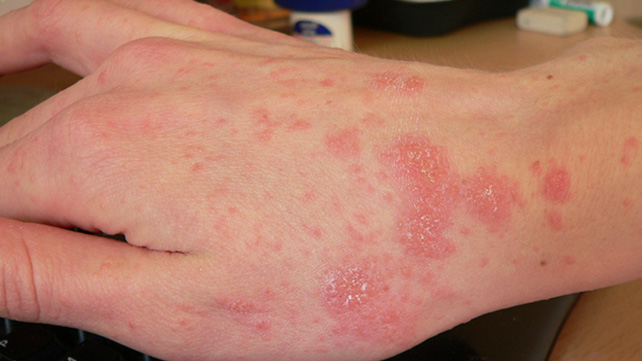
- A pimple-like rash
- Blisters or Scales
- Scratching causes sores on the skin2
Scabies can affect any body part and skin area, but tracks or burrows mostly appear in skin folds. In children and adults, scabies can be found often in
- On the buttocks
- Around the breasts
- In the armpits
- Between the fingers
- Around and inside the waist3
Causes of scabies
Sarcoptes scabiei mite causes scabies infestation, it is also called as the human itch mite. After digging under the skin, the female mite lays its eggs in the passage that is formed. When born, the larvae migrate to the surface of the skin and propagate through the body or another host by direct physical touch.
Mites do not affect only humans, it can affect animals like cats and dogs as well. However, the species of mites in humans and animals are different. The infestation of mites in animals can be severe, but in humans, it causes mild and transient skin reactions. Full-blown human infections with animal mites are uncommon.
It is a contagious disease and can be spread from one person to another through skin contact, and by using or sharing furniture, towel, and bedding with mites.
Who is at risk of getting scabies?
The following are the people most likely to infest with mites.
- School going children
- Parents of young children
- Adults involving in multiple sexual activities or have multiple sex partners
- Residents of extended care facilities
- Geriatrics
- Immunocompromised patients like, cancer patients, patients of HIV/AIDS.
- Patients using immunosuppressant medicines and transplant recipients4.
Diagnosis of scabies
The symptoms of dermatitis and scabies are also similar, that’s why scabies often mixed with dermatitis or eczema. OTC medicines do not treat your scabies or elevate symptoms if you are unsure about the cause, then it is better to consult your dermatologist. The diagnosis of your skin can be done by a dermatologist by viewing and examining skin scrapings under a microscope5.
Scabies Complications
People having scabies usually scratch their skin, that’s happened due to extreme itching and you cannot resist scratching. There is a high risk of skin infection due to continuous scratching as scratching creates open sores.
The most common complication of scabies is bacterial infections including impetigo. Impetigo is a superficial skin infection that is most commonly triggered by staph (staphylococci) bacteria or rarely by strep (streptococci) bacteria. It can be characterized by honey-colored oozing blisters and they can be treated with antibiotics6.
Crusted scabies is a severe form of scabies that can affect the following groups.
- Patients who have weak immune systems due to chronic health conditions including chronic leukemia and HIV.
- Hospitalized patients
- Old age people in nursing care
Crusted scabies is also known as Norwegian scabies and it affects large body areas and makes the skin scaly and crusty. Research shows that in scabies there are 10 to 15 mites are present, whereas crusted scabies is infected with millions of mites7.
Home remedies for scabies
Home remedies are usually not advised for scabies. However, some home remedies can be used as preventive for scabies, but they cannot scabies.
Many people used to treat scabies with neem oils and tea tree oils, but they have not shown any considerable results. That’s why it is recommended to visit your doctor and treat your scabies with prescription medicines.
How to prevent scabies?
The following steps are essential if you want to prevent the spread and infestation of scabies.
- Wash and clean your clothes, linens, towels. Use hot soapy water for washing purposes and use heat to dry. Items that cannot be washed, place them in a separate plastic bag and seal them as well.
- Clean your furniture and rugs, carpet, and upholstery with the help of a vacuum.
If you think that you are at high risk of getting an infestation, then you can contact your doctor8.
Scabies treatment
Scabies is a serious health condition and needs to be addressed. If you feel you have symptoms, then you should visit your doctor.
Malathion lotion and permethrin cream are the most widely used treatments for scabies. These medicines kill the scabies mites as they contain insecticides.
The first choice for scabies is permethrin 5% cream, if permethrin is ineffective then Malathion 0.5% lotion is used. Diagnosis of genital scabies in any of the partners increases the risk of reinfection and spread increases. It is better to visit a nearby sexual health clinic for a checkup. Till you have completed the course of treatment you should avoid sex and other close body contacts9.
Management for scabies typically includes treating the infestation with different drugs and dosage forms like ointments, creams, and lotions that can be applied directly to the scalp. Oral drugs are also available.
Mites are mostly active at night, that's why doctors recommend medicine at night. It is advised to apply for medicine from the neck down. Then you should wash it in the morning. Obey the doctor's instructions and you may require to repeat the treatment in seven days.
Other common medicines used for scabies are:
- 25% benzyl benzoate lotion
- 10% sulfur ointment
- 10% crotamiton cream
- 1% lindane lotion
There are some associated symptoms of scabies. Doctors also prescribe medicines to relieve associated symptoms.
- Antihistamines (diphenhydramine) for itching.
- To control the infection, happen due to scratching of your skin
- Steroidal creams for itching and swelling
If you have crusted scabies, scabies that covers most of your skin, or your symptoms were not relieved after initial treatment then your doctor may prescribe oral tablet ivermectin10.
References
- Everything You Need to Know About Scabies. [internet]. 2019 April 3 [cited 2020 July 19]; Available from https://www.healthline.com/health/scabies
- Scabies slide show. [internet]. [cited 2020 July 19]; Available from https://www.webmd.com/skin-problems-and-treatments/ss/slideshow-scabies-overview
- Scabies. [internet]. 2018 July 7 [cited 2020 July 19]; Available from https://www.mayoclinic.org/diseases-conditions/scabies/symptoms-causes/syc-20377378
- What does scabies look like? [internet]. 2020 April 4 [cited 2020 July 19]; Available from https://www.medicalnewstoday.com/articles/16961#causes_of_scabies
- Scabies slide show. [internet]. [cited 2020 July 19]; Available from https://www.webmd.com/skin-problems-and-treatments/ss/slideshow-scabies-overview
- Scabies. [internet]. 2018 July 7 [cited 2020 July 19]; Available from https://www.mayoclinic.org/diseases-conditions/scabies/symptoms-causes/syc-20377378
- What does scabies look like? [internet]. 2020 April 4 [cited 2020 July 19]; Available from https://www.medicalnewstoday.com/articles/16961#causes_of_scabies
- Scabies. [internet]. 2020 February 14 [cited 2020 July 19]; Available from https://www.nhsinform.scot/illnesses-and-conditions/skin-hair-and-nails/scabies
- Everything You Need to Know About Scabies. [internet]. 2019 April 3 [cited 2020 July 19]; Available from https://www.healthline.com/health/scabies
- What does scabies look like? [internet]. 2020 April 4 [cited 2020 July 19]; Available from https://www.medicalnewstoday.com/articles/16961#causes_of_scabies
Find articles related to: Medicine Telehealth Health scabies skin diseases
More articles about Skin & Esthetics
Back to the Health Tips Index