General Health Tips & News
The Advantages and Disadvantages of Using Weight-Bearing MRI
By M.M. (staff writer) , published on September 02, 2024
Medicine Telehealth Health Weight-bearing MRI


The Advantages and Disadvantages of Using Weight-Bearing MRI
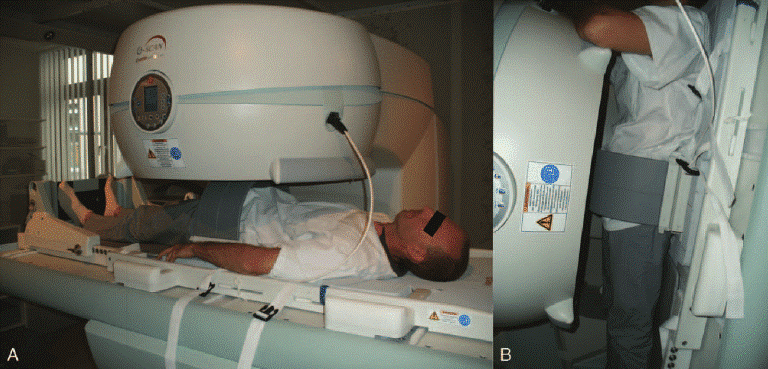
Weight-bearing MRI is known to diagnose musculoskeletal issues in a patient's body for efficient diagnosis and treatment of certain diseases. Weight-bearing MRI has been known to offer a better insight into the mobility and health of a patient in great detail.
However, like other types of MRI, it has advantages and disadvantages when used by medical doctors to scan patients. In this article, we will examine both subjects in greater detail and provide insight.
Advantages of Using Weight-Bearing MRI
Accurate Assessment
Weight-bearing MRI allows for a more accurate joint health assessment by imaging the body in its natural standing or sitting position. This process provides doctors with a comprehensive view of how joints function under the influence of gravity, leading to more precise diagnoses of patients.
Improved Patient Experience
For many patients, weight-bearing MRI offers a more comfortable and less claustrophobic experience than traditional scans. Standing or sitting during the procedure reduces anxiety and enhances overall satisfaction, leading to better compliance with imaging protocols.
Detection of Dynamic Changes
Unlike traditional MRI scans performed while lying down, weight-bearing MRI captures dynamic changes in joint structures and alignment. This process is particularly beneficial for detecting joint instability or small misalignments that may only become apparent during weight-bearing activities.
Personalized Treatment Planning
With detailed information from weight-bearing MRI, healthcare providers can tailor treatment plans to address each patient's specific requirements. This personalized approach ensures that interventions, such as physical therapy or surgery, target the underlying causes of joint issues more effectively and adequately.
Disadvantages of Using Weight-Bearing MRI
Risk of serious Injury
Patients with certain medical conditions or mobility limitations may be at increased risk of injury when standing or sitting for an extended period during weight-bearing MRI. Healthcare providers must carefully assess patient suitability and take appropriate precautions to minimize potential risks.
Variable Image Quality
Factors such as patient movement or positioning may affect image quality in weight-bearing MRI studies, potentially compromising diagnostic accuracy. Ensuring patient cooperation and optimizing imaging protocols are essential for obtaining reliable results.
Potential for Discomfort
While weight-bearing MRI is generally well-tolerated, some patients may experience discomfort or difficulty maintaining the required position during the scan. This process could affect image quality and lead to the need for repeat imaging studies.
Limited Availability
Weight-bearing MRIs may only be readily available in some healthcare facilities, limiting patient access in certain geographic areas or healthcare settings.
In conclusion, weight-bearing MRI has potential advisor have stages, such as improving the patient experience during a scan. At the same time,e, it's unavailable in its many hospitals. In the end, it serves its purpose of scanning a patient.
Sources
1. https://www.uprightmri.co.uk/weight-bearing-mri-over-traditional-imaging/
3. https://www.longhornimaging.com/imaging-services/weight-bearing-mri/
Find articles related to: Medicine Telehealth Health Weight-bearing MRI
More articles about General Health Tips & News
Back to the Health Tips Index