Pain Management
Treatment options for Achilles Tendinopathy
By A.S. (staff writer) , published on September 30, 2021
Medicine Telehealth Health Achilles Tendoniopathy


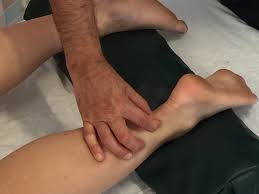
Achilles Tendinopathy is a disorder in which pain, stiffness, and swelling occur in the Achilles tendon. This tendon is a band of fibrous tissue found right above the heels and joins the calf muscle with the heel bone (calcaneum).
The role of the Achilles tendon is to allow plantar flexion (bending of the feet downwards at the ankles). Achilles Tendinopathy occurs due to repetitive small injuries, called microtrauma, in the Achilles Tendinopathy.
Achilles Tendinopathy is common in runners or middle-aged people who play sports once a week. Treatment of Achilles Tendinopathy is simple. Mild to moderate Achilles’ Tendinopathy can be treated at home under the supervision of a doctor. Practicing self-care strategies is essential to avoid repeated microtrauma.
Symptoms of Achilles Tendinopathy:
The symptoms of Achilles Tendinopathy include the following;
-
Pain at the back of your heel.
-
Tenderness, swelling, warmth at the site of the Achilles tendon
-
Difficulty when walking
Symptoms according to the severity
-
Mild- in mild cases, pain occurs in the Achilles tendon either during or after activity, for example running.
-
Moderate; in some moderate cases, the Achilles tendon can swell; a nodule or hard lump may be formed in the tendon.
-
Severe; pain occurs in any activity in which weight-bearing activity is present. Sometimes, the Achilles tendon can rupture, feeling like a hard whack on the heel.
Treatment of Achilles Tendinopathy
Several treatment options are available to ease the discomfort from Achilles’ Tendinopathy. Your doctor will start with conservative treatment first while indicating surgery only in severe cases.
Rest
Taking rest and gap from sports are essential for Achilles’ Tendinopathy. High-impact activities like running should be stopped. With the improvement of pain, you can gradually start exercising. However, complete long-term rest can actually exacerbate the condition rather than heal it.
Painkillers
Painkillers like NSAIDs such as ibuprofen or naproxen can ease out your pain. Ibuprofen is a non-steroidal anti-inflammatory drug (NSAIDs) that should not be used for more than 7 to 14 days in Achilles Tendinopathy. They may mask Achilles Tendinopathy symptoms and eases the inflammation.
Ice Packs
Ice therapy can help to control pain while also decreasing swelling in the initial phases of Achilles Tendinopathy. Apply the ice pack for at least 10-30 minutes. Avoid exceeding more than 30 minutes as it can cause skin damage. Press the ice pack on the injury gently to decrease blood flow to the affected area and improve pain.
Achilles tendon Exercises
Certain exercises help to strengthen your Achilles's tendons. These should be practiced every day for controlled pain and stiffness. You can consult a physiotherapist for guidance.
Orthotics
Orthotics recommends changing footwear or adding special inserts in shoes to help decrease pain and other symptoms
Steroid Injections
If your condition doesn’t improve, your doctor may recommend steroid injection for tendon injuries. However, using steroids can have other side effects, including tearing of the tendon.
Non-Invasive Treatments
Achilles Tendinopathy symptoms generally go away within 3 to 6 months with conservative treatment. However, in case your symptoms don’t improve after 3 to 6 months of treatment, your clinician may refer you to a sports medicine doctor or an orthopedic surgeon who can recommend the following treatments.
Extracorporeal shock-wave therapy
Sound waves are used and passed through the skin over your Achilles tendon. This is considered a safe procedure with little risk of adverse effects.
Injections using your own blood
Your specialist will draw it and inject it into your Achilles tendon- known as autologous blood injection. This treatment will promote healing by enhancing cell growth. An ultrasound scan can guide the injection. However, the effectiveness of this therapy is not confirmed as its long-term effects are unclear.
Surgery
The cases of Achilles Tendinopathy are rare, affecting only about 1 in 4 individuals who have persisting pain. These people will recommend surgery for their treatment. In most cases, surgery produces good results, relieving pain. The surgical procedure comprises the following
-
Removal of adhesions or nodules developed inside the damaged nodules.
-
Placement of a lengthwise cut inside the tendon that stimulates tendon healing.
Complications after surgery are rare and include issues with wound healing.
The Bottom Line
Achilles’ Tendinopathy is not a life-threatening condition but can involve continuous discomfort, impacting the quality of life. However, if it is promptly diagnosed and treated, it has much prognosis and quick healing
References
- DeLee JC, et al. Tendon injuries of the foot and ankle. In: DeLee & Drez's Orthopaedic Sports Medicine: Principles and Practice. 4th ed. Philadelphia, Pa.: Saunders Elsevier; 2015. http://www.clinicalkey.com. Accessed July 9, 2015.Ham P, et al. Achilles tendinopathy and tendon rupture. http://www.uptodate.com/home. Accessed July 9, 2015.
- Achilles tendinitis. American Orthopaedic Foot and Ankle Society. https://www.aofas.org/footcaremd/conditions/ailments-of-the-ankle/Pages/Achilles-Tendinitis.aspx. Accessed July 9, 2015.
- Achilles tendinitis. American Academy of Orthopaedic Surgeons. http://www.orthoinfo.aaos.org/topic.cfm?topic=A00147. Accessed July 9, 2015.
Find articles related to: Medicine Telehealth Health Achilles Tendoniopathy
More articles about Pain Management
Back to the Health Tips Index