Female Topics
Vaginal Thrush: What are its Symptoms, Causes, and Treatment?
By S.I. (staff writer) , published on December 04, 2020
Medicine Telehealth Health vaginalirritation thrush fungus


What is Vaginal thrush?
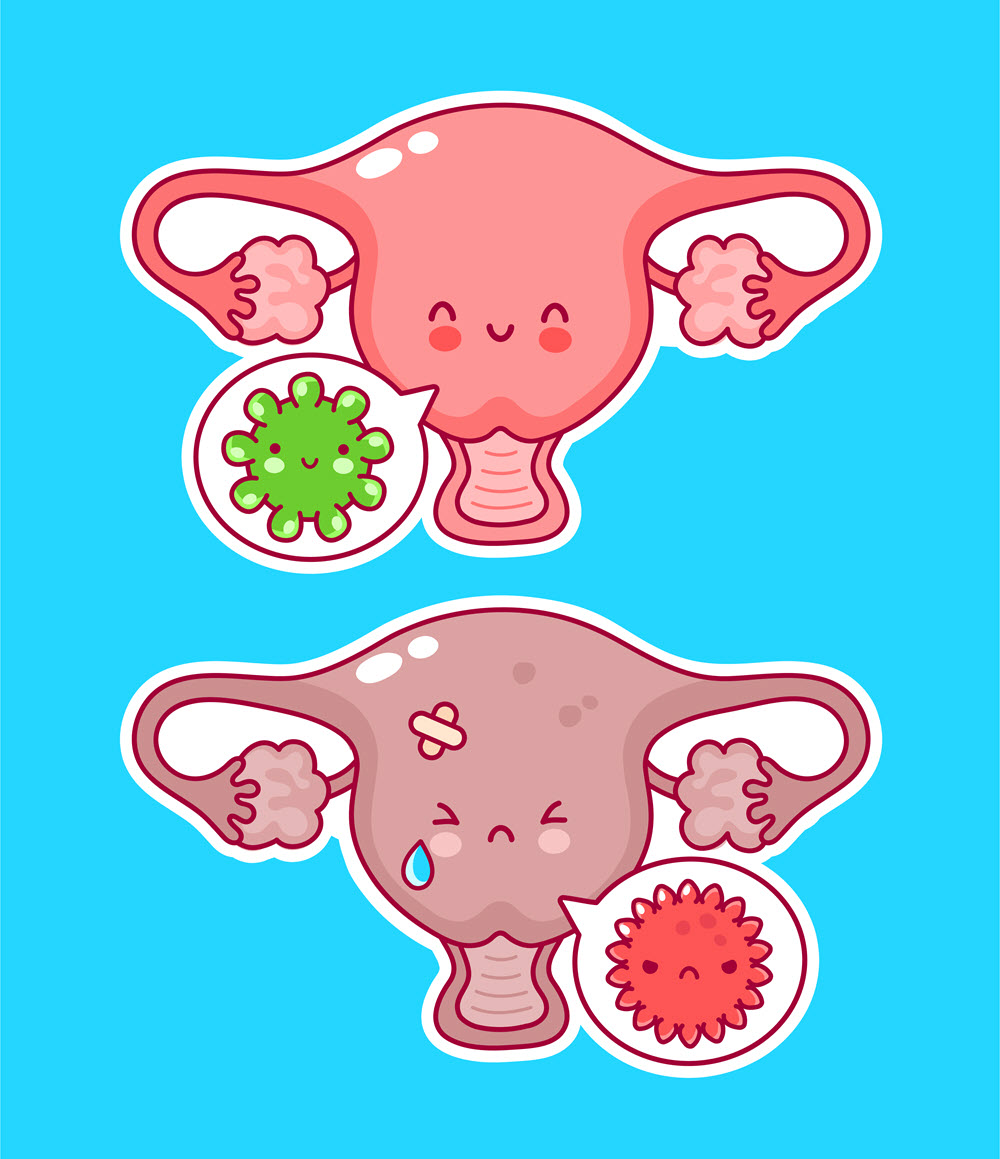
Vaginal thrush, also known as candidiasis is a common fungal infection that affects a huge number of women at some point in their life [1]. It is caused by yeast which is a part of the normal flora of the human body. This yeast is normally harmless but can cause an infection if its number is increased. Thrush is unpleasant and discomforting but not fatal. It can be easily treated with the drugs available over the counter. However, in some women, it can be difficult to treat and there are recurrent infections [2].
What are its Symptoms?
Following are some symptoms common for all the women who suffer from vaginal thrush [3]:
- Vaginal discharge: it usually has a yeasty odor with a cottage cheese appearance. it can be thick or thin in consistency and white or colorless.
- A stinging pain while urinating.
- Itching and burning sensation in the vaginal canal.
- Soreness around the opening of the vagina.
- Pain while having sex.
- The skin around your vagina can be swollen, red, or even cracked.
- Splitting of the skin around the vagina.
- Scratch marks on the vulva.
What Causes Vaginal Thrush?
Candidiasis is a fungal infection that should not be confused with a sexually transmitted disease. However, it can be due to sexual intercourse.
As a part of the normal flora, this yeast is always present in your vagina. The imbalance in the number of this is mainly responsible for the infection [4]. An increase in the number of yeasts causes infection. But, sometimes, the yeast is present in a higher number still not causing an infection. It needs some trigger to start an infection. Sexual intercourse can be one of them. Apart from sex, taking antibiotics, hormonal changes, and problems with the immune symptoms are also common triggers.
What are the Treatment Options Available?
Different treatment options are available for vaginal thrush. Some topical medications are applied around the vagina on cracked skin and inserted into the vagina using applicators. Oral medications are also available. Following are some treatment options for vaginal thrush [5]:
- Antifungal vaginal creams or vaginal pessaries (tablets): These are to be put inside the vagina using special applicators. 1 to 6 days are usually needed for the treatment depending on the type of antifungal drug used. Sometimes, a second course is also needed for complete treatment. However, using these creams might cause vaginal irritation.
- Oral medicines: Vaginal creams are usually preferred over tablets as the tablets are expensive and not allowed to be used by pregnant women. Oral antifungal drugs are usually used as an alternative to topical medicines which are first-line drugs for candidiasis.
Sometimes, the infection usually lasts for a small period and the symptoms subside on their own. No treatment is usually needed in this condition.
References:
- https://www.nhs.uk/conditions/thrush-in-men-and-women/
- https://www.ncbi.nlm.nih.gov/books/NBK459317/
- https://www.ncbi.nlm.nih.gov/pmc/articles/PMC4360556/#:~:text=Abnormal%20vaginal%20discharge%20(which%20may,the%20week%20prior%20to%20menses.
- https://www.ncbi.nlm.nih.gov/pmc/articles/PMC4360556/#:~:text=watery%20vaginal%20discharge.-,Vulvovaginal%20candidiasis%20is%20estimated%20to%20be%20the%20second%20most%20common,%2C%20immunosuppression%2C%20and%20systemic%20antibiotics
- https://www.ncbi.nlm.nih.gov/books/NBK543219/
Find articles related to: Medicine Telehealth Health vaginalirritation thrush fungus
More articles about Female Topics
Back to the Health Tips Index