Mental Health
VERTIGO
By A.A. (staff writer) , published on October 11, 2020
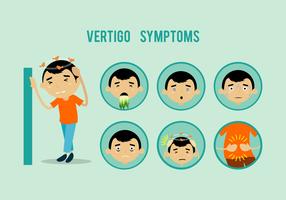
Medicine Telehealth Health vertigo causes of vertigo treatment of vertigo


Vertigo is a condition that depicts that your surrounding or environment is spinning in the circle. It is a sensation of spinning dizziness. It is related to the fear of heights, but that's not correct.
It can be indicated as ongoing or temporary spells of dizziness that happen due to the inner ear or brain issues. Vertigo also occurs when an individual looks down from a great height.
Vertigo is not a condition, but a symptom. It is a perception that the environment around you is spinning or moving. This feeling is hardly noticeable and it interferes with your routine activities. There is a sudden onset of vertigo attacks and lasts for a few seconds or longer1.
Causes of Vertigo
Vertigo is often caused by an inner ear problem. Some of the most common causes include:
BPPV
Canaliths are small calcium particles that clump up in canals of the ear. The inner ear coordinates with the brain and sends signals to the brain about the movement of the body and head relative to gravity. It helps to keep the balance of the body. The disturbance in this balance leads to benign paroxysmal positional vertigo (BPPV). It can be linked with age or due to some unknown reasons.
Vestibular neuritis or Labyrinthitis
Labyrinthitis is a disease of the inner ear associated with a viral infection. The body senses the balance was maintained by the nerves in the inner ear. This infection leads to inflammation of the nerves around the inner.
Vertigo is also associated with
- Neck or head injury
- Brain diseases including tumor and stroke
- Use of medicines that causes ear damage
- Migraine headaches
Meniere's disease
The alteration in the inner ear pressure or fluid buildup causes Meniere’s disease. It is a disorder of the inner ear. It’s common signs and symptoms are hearing loss, ringing in the ears, and episodes of vertigo2.
Other factors of vertigo
Vertigo can also be associated with:
- Migraine headaches
- A head injury
- Shingles in or around the ear
- Otosclerosis
- Ataxia, which causes muscle weakness
- Stoke
- Cerebellar
- Acoustic neuroma
- Perilymphatic fistula, the leakage of fluid from the inner ear to the middle ear due to a tear in either of the two membranes between the inner ear and middle ear
- Syphilis
- Ear surgery
- Multiple sclerosis
- Prolonged bed rest and the use of some medications can also lead to vertigo3.
Signs and Symptoms of Vertigo
Vertigo symptoms may vary from person to person. Depending on the cause, your symptoms might be mild, or severe.
The following are the common signs and symptoms of peripheral vertigo.
- Dizziness
- Feels like you are spinning or moving
- Focus issues of the eyes
- Loss of hearing in one ear
- Balance issues, unable to walk or stand
- Ringing in the ears
- Nausea, vomiting, and sweating
Central vertigo may cause signs and symptoms, such as:
- Vision problems such as double vision
- Weak limbs
- Difficulty swallowing
- Eye movement difficulties
- Slurred speech
- Facial paralysis
Types of Vertigo
The two main types of vertigo are:
Peripheral Vertigo:
The vestibular nerve connects the brain and inner ear. The problem in the inner ear or vestibular nerve leads to peripheral vertigo. And it is the most common type of vertigo.
Central Vertigo:
Problems in the brain cause central vertigo. It is mostly due to the problem in an area of the brain called cerebellum4.
Diagnosis of dizziness and vertigo
Doctors may investigate a person for dizziness, this include
- Questioning about the type of dizziness and medical history
- Checking blood pressure, and observing eye movements
- Balance or hearing testing
- MRI or CT scan of the brain or inner ear
Other tests conducted regarding specific disease
Treatment of vertigo
Treatment is mostly recommended for underlying problems because of some types of vertigo resolve without treatment. Some doctors prescribe antiviral and antibiotics for infections and shingles. Different medications are commonly used that treat the symptoms of vertigo. Antiemetic and antihistamines are commonly used for this purpose and to reduce nausea, vomiting related to motion sickness. When other treatment fails surgery must be necessary. They are appropriate for acoustic neuroma and BPPV.
- Canalith positioning procedures: It is used to remove inner ear 'crystals' in paroxysmal positional vertigo (BPPV)
- Medication used for migraine prevention
- Anti-nausea medication
- Vestibular physiotherapist prescribes balancing exercises to retrain the nervous system
- Cognitive behavior therapy or counseling in the case of stress and anxiety5
- Many people have repeated episodes of vertigo for many years such as Meniere's disease.
- For BPPV, Epley manoeuvre or series of simple head movements are used.
- Medicines like antihistamines and prochlorperazine are used in the initial stages of vertigo.
- Vestibular rehabilitation training (VRT) is also useful for vertigo, which includes different exercises for individuals with dizziness and balance issues6.
References
- Vertigo. [internet]. [cited 2020 September 18]; Available from https://www.nhsinform.scot/illnesses-and-conditions/ears-nose-and-throat/vertigo#:~:text=Vertigo%20is%20a%20symptom%2C%20rather,balance%20and%20do%20everyday%20tasks.
- Vertigo. [internet]. [cited 2020 September 18]; Available from https://www.webmd.com/brain/vertigo-symptoms-causes-treatment#1
- Everything you need to know about vertigo. [internet]. [cited 2020 September 18]; Available from https://www.medicalnewstoday.com/articles/160900#hereditary
- What Is Vertigo? Symptoms, Causes, Diagnosis, Treatment, and Prevention. [internet]. [cited 2020 September 18]; Available from https://www.everydayhealth.com/vertigo-signs-symptoms-latest-treatments-home-remedies-tests-more/
- Dizziness and Vertigo. [internet]. [cited 2020 September 18]; Available from https://www.betterhealth.vic.gov.au/health/conditionsandtreatments/dizziness-and-vertigo
- Vertigo. [internet]. [cited 2020 September 18]; Available from https://www.nhsinform.scot/illnesses-and-conditions/ears-nose-and-throat/vertigo#:~:text=Vertigo%20is%20a%20symptom%2C%20rather,balance%20and%20do%20everyday%20tasks.
Find articles related to: Medicine Telehealth Health vertigo causes of vertigo treatment of vertigo
More articles about Mental Health
Back to the Health Tips Index