Heart & Cardiovascular
What is an MI (myocardial infarction)? Am I at risk?
By D.A. (staff writer) , published on July 16, 2020
Medicine Telehealth Health MI Heart attack Cardiac Chest Pain Angina


Introduction
There are millions of people who are diagnosed with heart conditions, with many more at the risk of having them in the near future. Due to the extreme stress placed in our lives, heart problems are not too uncommon in this century. Every day millions of people get admitted to the hospital due to a stroke or a heart attack, but not many know what it actually means and whether they are at risk of getting it.
Here is a brief discussion of what happens during one and who is at risk.
What is MI?
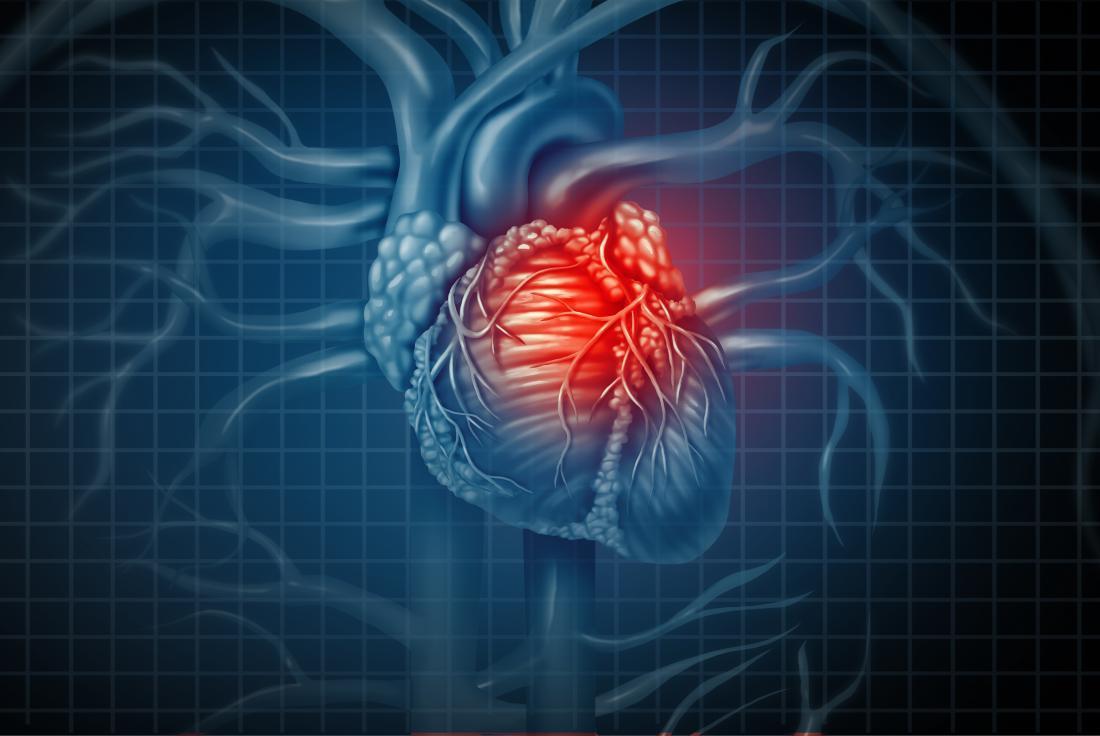
MI is the abbreviation used for myocardial infarction and more commonly referred to as a heart attack. The series of events that lead up to a heart attack is due to less amount of blood reaching the cells of the heart. One of the major reasons for that is the narrowing of the coronary vessels that do not efficiently supply to the organ. This leads to the death of the cells of the heart, making it lose it functionality and it stops beating. This compromises the function of the whole body as it gets devoid of oxygen.
Some of the very symptoms that lead up to a person having an MI are chest pain, dizziness, tightness beneath the breast bone, the sudden feeling of fatigue, swelling of feet, and shortness of breath.
Any person who gets a heart attack, suffers from a serious amount of pain, both before and during the treatment. However, as dangerous as it sounds, it can be managed if treatment is given to the sufferer at the right time. With better machines and effective medicines introduced, it has become easier to manage patients of an MI.
Who is at an increased risk of getting a myocardial infarction?
There are a lot of factors that play a role in deteriorating heart health. People who end up having cardiovascular problems, leading up to myocardial infarction are discussed below;
-
Age- As a person ages the body suffers a lot of wear and tear including the vessels of the body. These vessels do not stay elastic and become stiff, compromising the flow of blood to the heart. This increases the risk of getting a heart attack. Therefore, men above the age of 45 and women above the age of 55 should have monthly checkups to avoid the possibility of a heart attack.
-
Positive family history for cardiovascular diseases- Someone who has parents and grandparents who have had undergone a myocardial infarction places them at a higher risk of having a heart attack than someone with no positive history.
-
Obesity- Anyone who has a BMI (body-mass index) which is higher than his/her normal range is also at an increased of having a heart attack at a younger age. Therefore having the right weight is the key to a healthy heart.
-
Hypertension- If you are someone who experiences palpitations, severe headaches, nosebleeds, and difficulty in breathing, it is very likely that you suffer from high blood pressure. This increased blood pressure has the ability to damage the walls of the heart and increase the risk of a heart attack two folds.
-
High levels of cholesterol- Any person with high levels of bad cholesterol (LDL) in his/her blood is at an increased risk, as the chances of plague formation increases. These plaques narrow the vessels of the heart, or sometimes dislodge and block certain arteries causing a stroke.
-
Sedentary lifestyle- In order to prevent from getting an MI or stroke, it is extremely important to have an active lifestyle. Physical activity and exercise not just keeps the heart healthy but the entire machinery of the body works efficiently of a healthy lifestyle is adopted.
-
Excessive smoking- Smoking is an unhealthy addictive habit that is not just the leading cause of lung cancer but it is also very closely related to bad heart health and myocardial infarctions as a whole. The harmful chemicals that get absorbed in the blood due to the smoke work by making the vessels lose their elasticity, it raises the blood pressure and also increases the formation of plagues. This poses a great threat to the health of the heart and puts the person at an increased risk of getting an MI.
-
Extreme stress- Someone who is psychologically burdened and stressed beyond belief, is also at an increased risk of getting cardiac arrest. This happens due to extreme emotional trauma.
Anyone who falls in the category of any of the following factors is at a higher risk of getting a myocardial infarction and should consider opting for a healthier lifestyle in order to prevent any episode of a heart attack. It is important to analyze the signs before they can build up and cause irreversible harm to not just the heart but also the body.
References
-
Heart attack. Retrieved July 13, 2020, from https://www.mayoclinic.org/diseases-conditions/heart-attack/symptoms-causes/syc-20373106
-
Macon, B. (2013, March 18). Acute Myocardial Infarction: Causes, Symptoms, and Treatment. Retrieved July 13, 2020, from https://www.healthline.com/health/acute-myocardial-infarction
-
Kiani F, Hesabi N, Arbabisarjou A. Assessment of risk factors in patients with myocardial infarction. Global journal of health science. 2016 Jan;8(1):255.
Find articles related to: Medicine Telehealth Health MI Heart attack Cardiac Chest Pain Angina
More articles about Heart & Cardiovascular
Back to the Health Tips Index