Well-Being: Fitness & Diet
Understanding the Musculoskeletal System
By M.M. (staff writer) , published on April 01, 2021
Medicine Telehealth Health Musculoskeletal System


Understanding the Musculoskeletal System
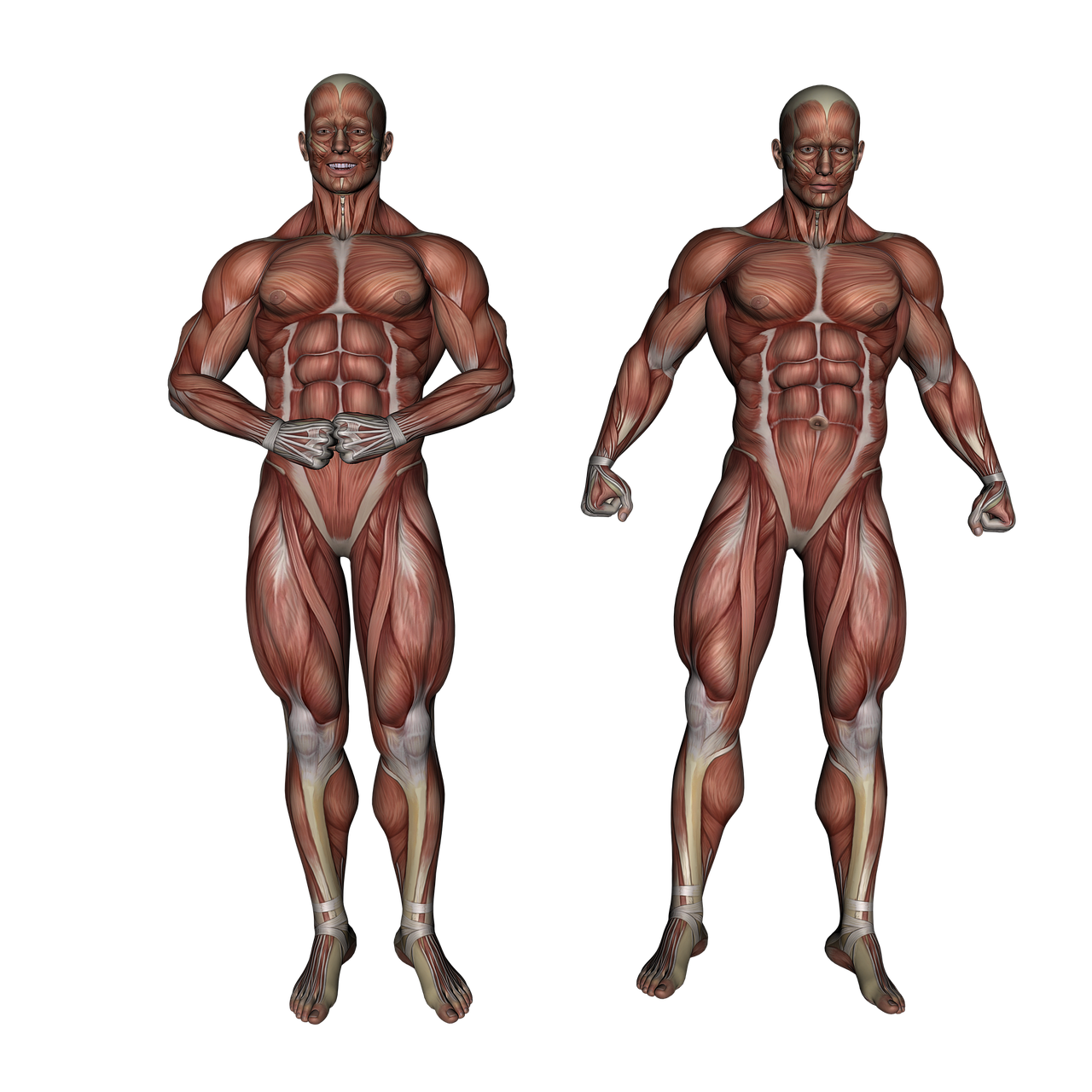
Have you ever wondered which system in the body provides stability, form, and movement? If so, then you are in the right place. The musculoskeletal system is made up of the muscles, bones (skeleton), joints, ligaments, tendons, cartilage, and connective tissue. The connective tissues support and bind and connect the organs and the tissues. Also known as the locomotor system, it consists of these two main systems:
- Muscular system – this includes all the types of muscles in the human body. The skeletal muscles specifically are the muscles that provide action on the joints facilitating movements. Apart from the muscles, the muscular system also consists of the tendons. These attach the muscles to the bones in the body.
- Skeletal system – the main component of the skeletal system is the bone. They articulate with each other forming joints, which provides the body with a mobile but hardcore skeleton. The joints and bones' function and integrity are supported by the accessory structures of the entire skeletal system: the ligaments, articular, cartilage, and bursa.
How Does the Musculoskeletal System Work?
The body's command center is the nervous system. It is what controls voluntary muscle movements. The voluntary muscles are the ones that you have control of, and you can control intentionally. Some of these muscles include large muscle groups responsible for activities such as exercising. Other groups have muscles responsible for smaller movements, such as pushing a button. The nervous system controls the musculoskeletal system by:
- The nervous system sends a message activating the skeletal muscles.
- The muscle fibers tense up or contracts, responding to the message from the nervous system.
- When the voluntary muscles are activated, they bunch up, pulling on the tendon that attaches the muscles to the bones.
- The tendons then pull the bones, making them move.
- After using the muscles, the nervous system has to relax them. It sends another message triggering the muscles to deactivate and relax.
- The muscles relax, releasing tension and move the bones to the desired resting position.
The muscles in the body make up approximately 40 per cent of your total weight. The heart is part of the muscular system. In fact, the heart is a muscle! It is the hardest working muscle in the body, and it never relaxes, pumping up to 2,000 gallons of blood daily. The gluteus Maximus located in the buttocks helps you maintain an upright posture and it is the body's largest muscle. Want to learn more about the musculoskeletal system? Follow us and stay updated.
Sources
1. https://www.nmortho.com/what-are-the-main-functions-of-the-muscular-system/
Find articles related to: Medicine Telehealth Health Musculoskeletal System
More articles about Well-Being: Fitness & Diet
Back to the Health Tips Index