Infections - Prevention, Diagnosis & Treatment
UPPER RESPIRATORY INFECTIONS
By A.A. (staff writer) , published on August 19, 2020
Medicine Telehealth Health URTI upper respiratory tract infections


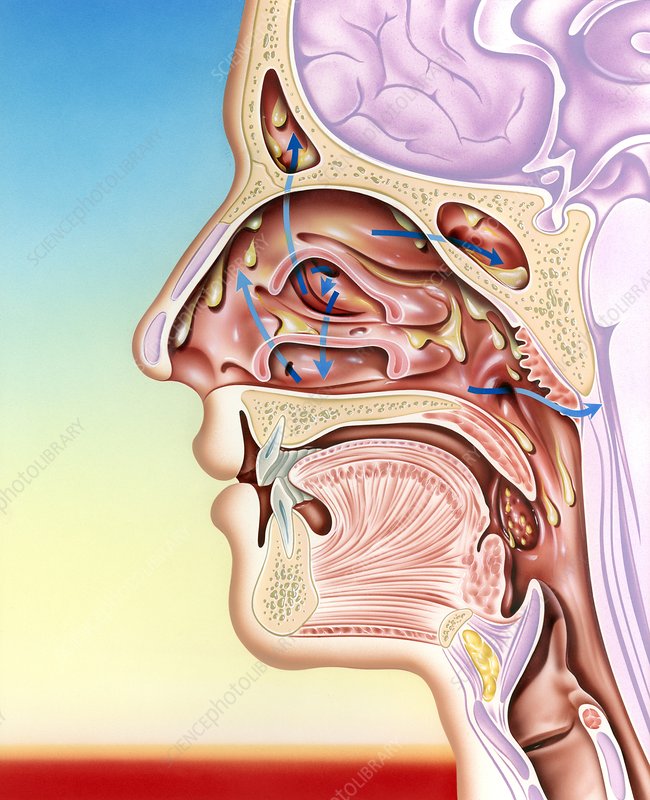
The upper respiratory tract infection is called URTI. The parts infected include windpipe (trachea), sinuses, larynx, pharynx, nose, and throat. There are various symptoms associated with upper respiratory tract infection as it is prone to various viral and bacterial infections. The symptoms vary with the severity of infections. URTI can be contagious and spread from one person to another by coughing and sneezing1.
URIs are a common reason that most people visit doctors. It is a reason that most children miss school and people miss their office. Most people suffer from URIs in winter and fall, but it can happen at any time. It may be self-limited as it is mostly caused by viruses2.
Symptoms of URI
The following are the common URI symptoms
- Coughing
- Discomfort in the nasal passages
- Nasal passage discomfort
- Mild fever, which is more common in children
- Mild fever in children
- Excess mucus
- Nasal congestion
- The pressure behind the face or pain
- Sneezing and runny nose
- Scratchy throat or sore throat
The following are the less common symptoms of URI
- Body aches and bad breath
- Itchy eyes and headache
- Loss of sense of smell
Causes
Mostly the causes of URI are viral. When a person sneezes or coughs, the droplets of infected mucus and saliva spray out into the air. Other people may be affected by touching the place or breathing them in. URIs are caused by more than 200 common cold viruses.
Other risk factors include:
- Nasal cavity or airways damage
- Not washing hands
- Contact with a group of people
- Crowded places like buses, parks, shopping malls, and airplanes
- Autoimmune disorders
- Weakening of the immune system due to the removal of tonsils and adenoids.
- Smoking3
Various bacteria and viruses can cause URIs.
Human metapneumovirus, adenovirus, parainfluenza virus, respiratory syncytial virus, and rhinovirus cause URIs.
Bacteria that are responsible for URIs, include Neisseria gonorrhoeae, Corynebacterium diphtheria, group A beta-hemolytic streptococcus, group C beta-hemolytic streptococci, and Chlamydia pneumoniae4.
Types of acute upper respiratory infection
The types of URIs are based on the infection of the respective parts. Other than the common cold, the following are the types of URIs.
Sinusitis
The inflammation of sinuses is called sinusitis.
Epiglottitis
The inflammation of epiglottis is called epiglottitis; it is the upper part of the trachea. The function of the epiglottis is the protection of airways from foreign particles that may travel to the lungs. The airflow into the trachea can be blocked due to swelling of epiglottis which can be life-threatening.
Laryngitis
The inflammation of the voice box or larynx is called laryngitis.
Bronchitis
Bronchitis is the bronchial tube inflammation. The right and left bronchial tubes are divided off from the trachea and go to the right and left lungs5.
Diagnosis of acute respiratory infection
Your doctor diagnoses URIs by physical examination and by taking the person's medical history. Various tests are also helpful in the diagnosis of URIs.
Group A beta-hemolytic streptococcus can be quickly diagnosed by rapid antigen detection.
Lateral neck X-rays:
If you have difficulty breathing, then this test may be recommended by the doctor.
If your doctor suspects pneumonia, then your doctor may order a chest X-ray.
This test is advised by your doctor for a diagnosis of sinusitis.
Treatment of acute respiratory infection
URIs treated to elevate the symptoms. Some people use expectorants, zinc supplements, cough suppressants, and vitamin C for a shorter duration. Other treatments include
Nasal decongestants are used to improve breathing. With repeated use, the treatment may become less effective and causes rebound nasal congestion.
Steam inhalation is one of the safest ways is gargling with salt water and steam inhalation that relieve your symptoms.
NSAIDs and acetaminophen are common painkillers used to relieve pain, body aches, and fever6.
To reduce cough, cough medicines are commonly used including dextromethorphan, codeine, guaifenesin all reduce the symptoms of upper respiratory infections7.
Antibiotic medicines
If you are in good health, then antibiotics are not usually recommended. Your immune system has the ability to clear the infection on its own. Antibiotics are not effective against viruses. Moreover, antibiotics can clear the infection slowly due to a germ type called bacterium.
Your symptoms may also get worse due to antibiotics such as rash, and diarrhea. If you have a history of lung infections, then your doctor may prescribe you antibiotics. During complications like pneumonia, your doctor may also prescribe antibiotics but not a healthy person.
For the treatment of upper respiratory infections azithromycin, erythromycin, and levofloxacin are mostly used8.
Prevention
URIs are common during winters and are often unavoidable when a person spends time outdoors. A person can reduce the risk by following steps. In winters and fall these preventive methods are very helpful. The following are the preventive methods.
- Smoking cessation
- Avoiding enclosed spaces and crowding
- Do not share any utensils or drinking glass with anyone.
- Disinfecting and cleaning of commonly touching areas like doors and keyboards
- Covering nose and mouth during coughing and sneezing
- Eating a balanced diet
- Frequent hand washing
Home remedies of upper respiratory infections
The home remedies for URI symptoms include:
- Use honey to relieve cough
- Raw garlic
- Echinacea
- Use honey in hot ginger or lemon tea
- Lemon tea or juice
- Root ginger in hot water9
References
- 5 Upper Respiratory Tract Infections and What They Mean. [internet]. 2019 April 4. [cited on 2020 July 25]. Available at https://www.gleneagles.com.sg/healthplus/article/upper-respiratory-tract-infections
- Upper Respiratory Tract Infection (URTI). [internet]. [cited on 2020 July 25]. Available at https://www.medicinenet.com/upper_respiratory_infection/article.htm
- What are the signs of an upper respiratory infection? [internet]. 2018 December 4. [cited on 2020 July 25]. Available at https://www.medicalnewstoday.com/articles/323886#about
- Acute Upper Respiratory Infection. [internet]. 2020 January 7. [cited on 2020 July 25]. Available at https://www.healthline.com/health/acute-upper-respiratory-infection#causes
- Acute Upper Respiratory Infection. [internet]. 2020 January 7. [cited on 2020 July 25]. Available at https://www.healthline.com/health/acute-upper-respiratory-infection#diagnosis
- Acute Upper Respiratory Infection. [internet]. 2020 January 7. [cited on 2020 July 25]. Available at https://www.healthline.com/health/acute-upper-respiratory-infection#treatment
- Upper Respiratory Tract Infection (URTI). [internet]. [cited on 2020 July 25]. Available at https://www.medicinenet.com/upper_respiratory_infection/article.htm
- Common cold, Upper respiratory tract infections. [internet]. [cited on 2020 July 25]. Available at https://patient.info/chest-lungs/cough-leaflet/common-cold-upper-respiratory-tract-infections
- What are the signs of an upper respiratory infection? [internet]. 2018 December 4. [cited on 2020 July 25]. Available at https://www.medicalnewstoday.com/articles/323886#home-remedies
Find articles related to: Medicine Telehealth Health URTI upper respiratory tract infections
More articles about Infections - Prevention, Diagnosis & Treatment
Back to the Health Tips Index