Infections - Prevention, Diagnosis & Treatment
WHAT IS TUBERCULOSIS?
By A.A. (staff writer) , published on August 09, 2020
Medicine Telehealth Health tb tuberculosis


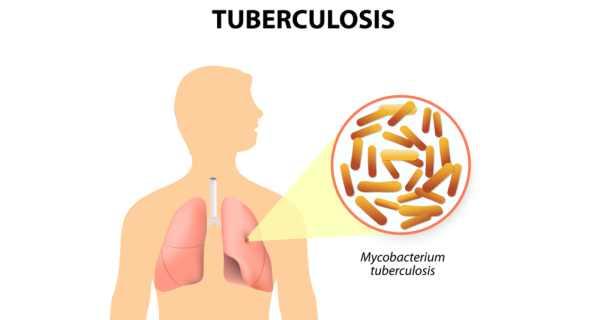
Tuberculosis is a serious and contagious infection. It mostly affects your lungs. Other than lungs, it can also spread to other body areas like the spine and brain. The causative agent of tuberculosis is Mycobacterium tuberculosis.
TB can be life-threatening, but it is preventable and treatable in many cases. Antibiotic resistance among experts is already creating renewed fears regarding TB. Many forms of the disease do not react to the most successful treatment methods. In this situation, it is impossible to handle TB.
Symptoms of Tuberculosis
Signs and symptoms of active TB include:
· Coughing that lasts three or more weeks
· Coughing up blood
· Chest pain, or pain with breathing or coughing
· Unintentional weight loss
· Fatigue
· Fever
· Night sweats
· Chills
· Loss of appetite
Causes of Tuberculosis
Mycobacterium tuberculosis is the causative agent of TB that can be spread from one person to another via microscopic droplets. When a person with an active form of TB spits, speaks, sneezes, coughs then the bacteria can spread through microscopic droplets into the air.
Patients of TB who are taking regular medicines for at least two weeks may not infect others1.
Can tuberculosis be cured?
TB was a major health concern in the 20th century as it was a major cause of death in the United States. Today, antibiotics are used to treat TB. However, the duration of TB treatment is long such as 6 to 9 months.
It is not confined to the lungs only, it can also affect kidneys, spine, and brain. Not everyone shows symptoms or become sick who is infected with TB bacteria. If a person has TB infection and is not sick, the infection cannot be spread to other persons. TB can be spread from a person having active TB disease and also feel sick. Active TB usually not develop in people having latent TB2.
Who is most at risk?
Tuberculosis often impacts people in their most active years of life. All age groups are at risk. However, more than 95% of incidents and deaths occurred in developed nations.
Tuberculosis can infect anyone, but there are some factors that increase the chances of TB infection.
Weakened immune system
TB bacteria can be successfully treated if you have a strong immune system. If your resistance is low due to various reasons or due to chronic illness, then it would be difficult to treat TB.
Immunocompromised patients are at high risk of developing TB. HIV patients have 19% more chances of getting TB. Malnutrition also increases the chances of TB infection. The following are diseases and medicines that make your immune system weak.
· HIV/AIDS
· Diabetes
· Cancers
· Chemotherapy
· Malnutrition
· Immunosuppressant drugs
· Drugs used to treat rheumatoid arthritis, Crohn's disease, and psoriasis
· Severe kidney disease
· Old age
Living or Traveling in certain areas
The following areas have a high prevalence of TB and resistance to anti-tubercular drugs. So if you travel or live in these areas you have a high chance of getting an infection.
· Africa
· Asia
· Caribbean Islands
· Eastern Europe
· Russia
· Latin America
Poverty and Lack of medical care:
People with low socioeconomic status, low income, and living in remote areas are at high risk of TB infection.
Substance use and misuse:
You are more vulnerable to tuberculosis if you drink excessive alcohol, use IV drugs, and smoke tobacco. Alcohol drinking and tobacco smoking raise the chances of TB disease by 3.3 and 1.6, respectively. In 2018, 0.83 million new cases of TB worldwide were due to alcohol use disorder and 0.86 million were due to smoking3.
Diagnosis of Tuberculosis
The following are the methods used for the diagnosis of tuberculosis.
Skin test
Purified protein derivative skin is mostly used for the diagnosis of TB bacteria. Some individuals do not respond to the test, even though they have TB, and some do not respond to the test and have TB. Persons who have recently received a TB vaccine can be screened positive but not have TB infection.
Blood test
As a follow up for TB skin test, your doctor advised you to take a blood test as well for TB. A blood test for TB is a preferred method than a skin test. Quantiferon and T-Spot are the two approved blood tests for TB. The outcomes of blood tests are stated as positive, negative, or indeterminate. Like the skin test, the blood examination cannot say whether or not you have active TB disease.
Chest X-ray
Chest X-ray is advised when your blood test and skin tests are positive. Chest X-ray shows small spots in our lungs. These signs indicate that your body is trying to isolate TB bacteria and they also show TB infection. You might have latent TB if your test is negative. After that, your doctor will start the treatment.
Other tests for TB diagnosis
Other tests used for the diagnosis of TB are
Sputum test
CT scan of the chest
Lung biopsy
Bronchoscopy4
Treatment of Tuberculosis
TB is different from other bacterial infections. Other bacterial infections are treated with antibiotics within one week. In case of TB, you have to take a combination of medicines for six to nine months. It is necessary to complete the course of treatment because there are high chances of recurrence of infection. If the infection comes back, then it shows resistance to previous drug treatment and difficult to treat.
The following are the combination of medications used for TB treatment.
- Ethambutol
- Isoniazid
- Pyrazinamide
- Rifampin
- Rifapentine
These medicines have serious health consequences on your liver, and their symptoms include
- Loss of appetite
- Abdominal pain
- Orange color or dark color urine
- Fever for 4- days
- Nausea or vomiting
- Jaundice5
References
- Tuberculosis. [internet]. 2019 Jan 30 [cited 2020 July 20]; Available from https://www.mayoclinic.org/diseases-conditions/tuberculosis/symptoms-causes/syc-20351250
- Tuberculosis (TB). [internet]. 2020 June 27 [cited 2020 July 20]; Available from https://www.webmd.com/lung/understanding-tuberculosis-basics
- Tuberculosis. [internet]. 2020 March 24 [cited 2020 July 20]; Available from https://www.who.int/news-room/fact-sheets/detail/tuberculosis
- Tuberculosis. [internet]. 2018 April 17 [cited 2020 July 20]; Available from https://www.healthline.com/health/tuberculosis#diagnosis
- Tuberculosis. [internet]. 2018 April 17 [cited 2020 July 20]; Available from https://www.healthline.com/health/tuberculosis#treatment
Find articles related to: Medicine Telehealth Health tb tuberculosis
More articles about Infections - Prevention, Diagnosis & Treatment
Back to the Health Tips Index