Well-Being: Fitness & Diet
WHAT YOU NEED TO KNOW ABOUT VITAMIN K
By A.A. (staff writer) , published on February 07, 2021
Medicine Telehealth Health vitamin k health benefits of vitamin k


Vitamin K plays an essential role in blood clotting and the prevention of excessive bleeding. Vitamin K is not commonly used as a dietary supplement like other vitamins.
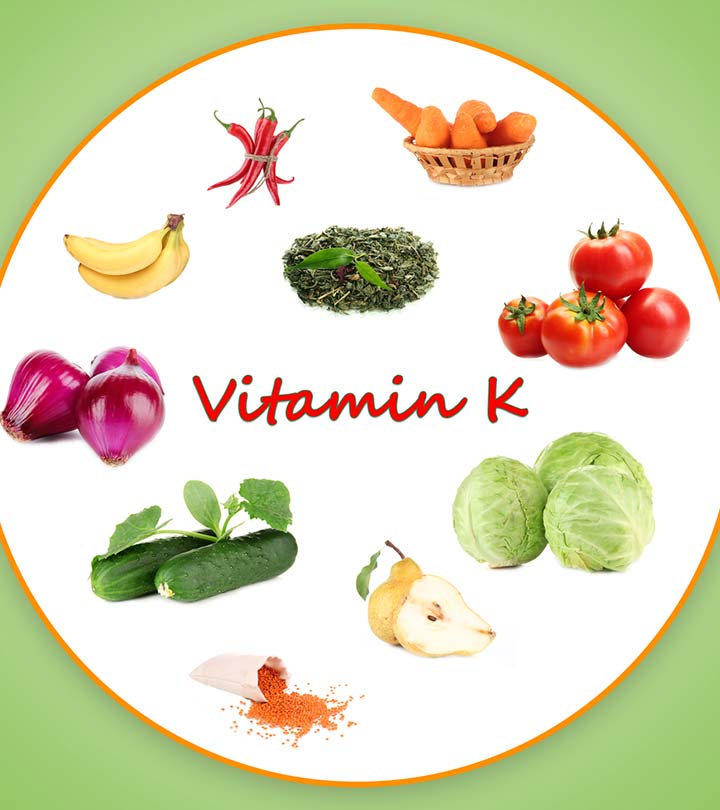
Vitamin K is a group of compounds. Among them, vitamin K1 and K2 are the most important compounds. Leafy green vegetables and other vegetables are the main sources of vitamin K1. The source of vitamin K2 includes cheeses, eggs, and meats that can also be synthesized by bacteria.
The main form of vitamin K available as a supplement is vitamin K1. There is a conflict between the use of vitamin K2 in osteoporosis. Some research studies show that vitamin K2 is beneficial in treating osteoporosis and can effectively treat bone loss due to the use of steroids, whereas some researchers thought that vitamin K2 is not recommended for osteoporosis.
Why do people take vitamin K?
The risk of uncontrolled bleeding increases with low vitamin K levels. Vitamin K deficiencies are very common in newborn infants, while very few cases have been reported in adults. The overdose of Coumadin (blood thinner) is also prevented by vitamin K.
Deficiencies of vitamin K are uncommon; you may be at high risk if you:
- Suffering from diseases that prevent absorption in the digestive tract, like active celiac disease and Crohn's disease.
- Using drugs that affect vitamin K absorption
- Are severely malnourished
- Heavy alcohol consumption
In such situations, healthcare providers might advise you of vitamin K supplements. However, vitamin K uses for the removal of spider veins, cancer, and symptoms of morning sickness are unproven1.
Benefits of vitamin K
Vitamin k is beneficial for the body in different ways.
Bone health
There is an association between low vitamin K intake or levels and osteoporosis. According to different studies, vitamin K helps to maintain strong bone, reduce fracture risks, and improve bone density. But, no research study confirmed this relationship between bone health and vitamin K.
Cognitive health
Higher blood levels of vitamin K in older adults show improved episodic memory. It has been seen that verbal episodic memory performance is better in old age people having higher blood levels of vitamin K.
Heart health
Vitamin K prevents mineralization that's why it plays its part in lowering blood pressure because minerals accumulate in the arteries. In this way, the heart freely pumps blood throughout the body. Mineralization is common and natural with the advancing age and it is a major risk factor for cardiovascular diseases. The risk of stroke decreases with sufficient intake of vitamin K2.
Uses of vitamin K
- Bleeding issues in newborns with low vitamin K levels (hemorrhagic disease). The bleeding problem in a newborn can be prevented by giving vitamin K1 by mouth or as a shot into the muscle. However, shot gives the best results.
- Low prothrombin levels, which is a blood-clotting protein (hypoprothrombinemia). The bleeding problems can be treated or prevented by taking vitamin K1 either through injections or by mouth in people having low prothrombin levels.
- Vitamin K-dependent clotting factors deficiency or VKCFD it is a rare inherited bleeding disorder. The bleeding in people with VKCFD can be prevented by taking injections or oral administration of vitamin K3.
Signs of Deficiency of Vitamin K
Vitamin K deficiency is uncommon in adults but can occur in people taking drugs that inhibit the metabolism of vitamin K, such as antibiotics, or in individuals with conditions that cause food and nutrient malabsorption. In premature babies, a deficiency is also likely because vitamin K does not reach the placenta and breast milk contain low amounts. If no vitamin K supplements are given, the small amount of blood clotting proteins at birth raises the risk of bleeding in babies. The following are the most prominent symptoms of a deficiency.
- Prolonged clotting time or a prolonged prothrombin time
- Osteoporosis
- Bleeding
- Hemorrhaging4
Causes of Vitamin K deficiency
Vitamin K deficiency in adults is rare, some individuals are at elevated risk if they:
- Take blood thinners like warfarin and coumarin anticoagulants
- Are taking antibiotics
- Fat malabsorption, in which the body does not properly absorb fat
- Lack of vitamin K in the diet
- Coumarin anticoagulants affect the protein production involved in blood clotting. Some antibiotics allow less of their vitamin K to be released by the body. Vitamin K can become less effective in the body because of other antibiotics.
- Fat malabsorption leading to vitamin K deficiency may occur in people with:
- Vitamin K deficiency happened due to fat malabsorption and may occur in people with:
- Cystic fibrosis
- Celiac disease
- Any part of the intestine removed
- A disorder in the biliary tract or intestines (gallbladder, bile ducts, and liver)
- There are a number of reasons due to which infants are at high risk for vitamin K deficiency.
- Low content of vitamin K in breast milk
- Improper transfer of vitamin K from a mother’s placenta to her baby
- Improper use of vitamin by the liver of a newborn infant
- In the first few days of life, newborns do not develop vitamin K2 on their own5.
References
- Vitamin K. [internet]. [cited 2020 December 11]; Available from https://www.webmd.com/vitamins-and-supplements/supplement-guide-vitamin-k#1
- Health benefits and sources of vitamin K. [internet]. [cited 2020 December 11]; Available from https://www.medicalnewstoday.com/articles/219867#benefits
- Vitamin K. [internet]. [cited 2020 December 11]; Available from https://www.webmd.com/vitamins/ai/ingredientmono-983/vitamin-k
- Vitamin K. [internet]. [cited 2020 December 11]; Available from https://www.hsph.harvard.edu/nutritionsource/vitamin-k/
- Vitamin K. [internet]. [cited 2020 December 11]; Available from https://www.healthline.com/health/vitamin-k-deficiency#diagnosis
Find articles related to: Medicine Telehealth Health vitamin k health benefits of vitamin k
More articles about Well-Being: Fitness & Diet
Back to the Health Tips Index