Infections - Prevention, Diagnosis & Treatment
Malaria
By I.K. (staff writer) , published on September 14, 2020
Medicine Telehealth Health Infection Malaria


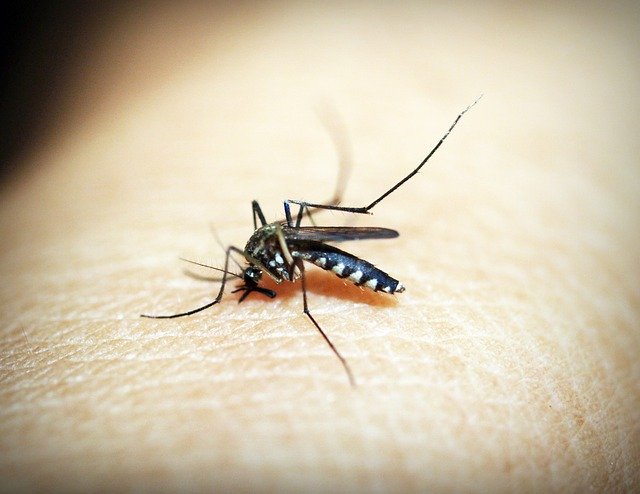
Malaria is a parasite-related disease. The parasite is transferred to humans through bites of infected mosquitoes. Persons who have malaria generally feel very sick with high fever and chills. Approximately 210 million people are diagnosed with malaria per year and approximately 440,000 people die from the disease. Much of the people who die with the illness are young children in Africa.
While the disease is rare in temperate climates, malaria is still widespread in tropical and subtropical countries. World health authorities are seeking to reduce the occurrence of malaria by providing bed nets to help shield people from mosquito bites as they sleep. Scientists around the world are working to create a malaria preventive vaccine.
When you are going to places where malaria is widespread, take precautions to avoid mosquito bites by wearing protective clothes, use insect repellents and sleeping under treated mosquito nets. Based on the place you visit and the specific risk factors for infection, you might even want to take preventive medication before, during and after the travel.
SYMPTOMS
Malaria is characterized by the following signs and symptoms:
- Fever
- Chills
- Headache
- Nausea and vomiting
- Muscle pain and fatigue
Many individuals with malaria undergo malaria "attacks" cycles. An attack usually occurs with chills and chills, accompanied by high fever, accompanied by vomiting and a return to normal temperature. Malaria signs and symptoms typically begin within a few weeks of being bitten by infected mosquitoes. However, some forms of malaria parasites can lie dormant in your body for up to a year.
CAUSES
Malaria is caused by a type of microscopic parasite. The parasite is most frequently spread to humans by mosquito bites.
Uninfected Mosquito: The mosquito becomes infected by feeding on a human with malaria.
Transmission of parasite: If the infected mosquito bites you in the future, it can spread malaria parasites to you.
In the liver: When the parasites invade your body, they migrate to your liver — where certain forms may lie dormant for as long as a year.
Into the bloodstream: Once the parasites mature, they abandon the liver and enter the red blood cells. It is when people typically show signs of malaria.
On to the next person: When an uninfected mosquito bites you at this stage in the process, it will become infected with the malaria larvae and spread to any people it bites.
Other modes of transmission
Since malaria-causing parasites damage red blood cells, people may also catch malaria from exposure to infected blood, including:
- From mother to unborn child
- Through blood transfusions
- By using same needles used to inject drugs
Risk Factors
The biggest risk factor for contracting malaria is living in or visiting places where malaria is widespread. There are a variety of distinct types of malaria parasites. The variety which causes the most severe complications is most commonly found in:
- African countries south of the Sahara Desert
- The Asian subcontinent
- New Guinea, the Dominican Republic and Haiti
REFERENCES
https://www.ncbi.nlm.nih.gov/books/NBK551711/
https://www.ncbi.nlm.nih.gov/pmc/articles/PMC408511/
https://www.ncbi.nlm.nih.gov/books/NBK8584/
Find articles related to: Medicine Telehealth Health Infection Malaria
More articles about Infections - Prevention, Diagnosis & Treatment
Back to the Health Tips Index